
A multigenerational Sri Lanka trip can be one of the most rewarding kinds of family travel — or one of the most exhausting, depending entirely on whether the route was designed for who is actually travelling. The gap between those two outcomes usually comes down to one planning decision: whether every age group was given a genuine role in the holiday, or whether the itinerary was built for the most active member of the group and everyone else was expected to keep up.
The best multigenerational adventure routes understand that grandparents and grandchildren often want surprisingly similar things from a trip: animal encounters, interesting food, scenes that feel unlike home, and enough rest to actually enjoy the next experience. Parents are usually the ones who want to be active. A smart route design gives parents their adventure layers while building shared anchors around wildlife, village life, gentle scenery, and meals that everyone can participate in.
This guide walks through how to plan a multigenerational Sri Lanka route honestly — what to ask before designing it, how to structure activity options and backup choices, what accommodation needs to deliver for a mixed-age family, and what information the team needs to make the route work.
Map every generation before designing the route
A multigenerational family that includes a ten-year-old, two parents in their forties, and grandparents in their sixties or seventies needs completely different planning from a group of close friends. Before any route is suggested, gather: exact ages, walking comfort for older members, swimming confidence for children, any medical or mobility considerations family members are willing to share, rooming requirements, food preferences or restrictions, and a frank answer to who wants adventure, who wants culture, who wants wildlife, and who simply wants a comfortable place to enjoy the time together.
Use shared anchors and optional activity layers
Rafting on the Kelani River can be a shared anchor when ages and confidence suit it — a shared adventure with the whole family in the same boats. A safari at Udawalawe is another natural shared anchor: everyone watches elephants from the same jeep without requiring different physical abilities. Rainforest walks, cultural visits, village lunches, and viewpoint stops work across generations. Canyoning, longer hikes, surf lessons, and more physically demanding activities become optional layers for the most active members while the rest of the family takes a gentler path.
Protect mornings, meals, and transfer days
Mixed-age groups reliably struggle when transfers are too long, lunch is poorly timed, or every morning requires a 5:30am start. A multigenerational route should include two-night stays at key bases, built-in meal timing that suits both children and grandparents, shorter road sections where the group can stop comfortably, and recovery days after rafting, safari, or hill-country driving. Protecting these practical moments is not a compromise — it is what makes the shared experiences actually enjoyable rather than survived.
Choose accommodation by family function
Family rooms, interconnecting options, ground-floor access for grandparents with mobility considerations, hotel pools that suit children, food that works for everyone, quiet rooms, parking for the driver, and proximity to the next day's activity — these criteria define the right accommodation for a multigenerational group more than star ratings. A boutique lodge with one style of room does not suit a group that needs two connecting rooms and ground-floor access. Confirm rooming specifics before booking, especially at the safari lodge and the final beach stay.
Make backups feel normal, not like failures
Weather changes, river conditions, tired children, grandparent knees, and afternoon heat are all normal parts of multigenerational travel in the tropics. A strong family route names its backup options clearly at every stage: if Kitulgala rafting is not suitable on the day, the alternative is a rainforest walk and village lunch. If the planned hill hike is too demanding in the afternoon heat, the viewpoint stop by vehicle is available without anyone feeling let down. Visible backup plans make the group feel safe rather than dependent on everything going perfectly.
Give grandparents a real role in the trip
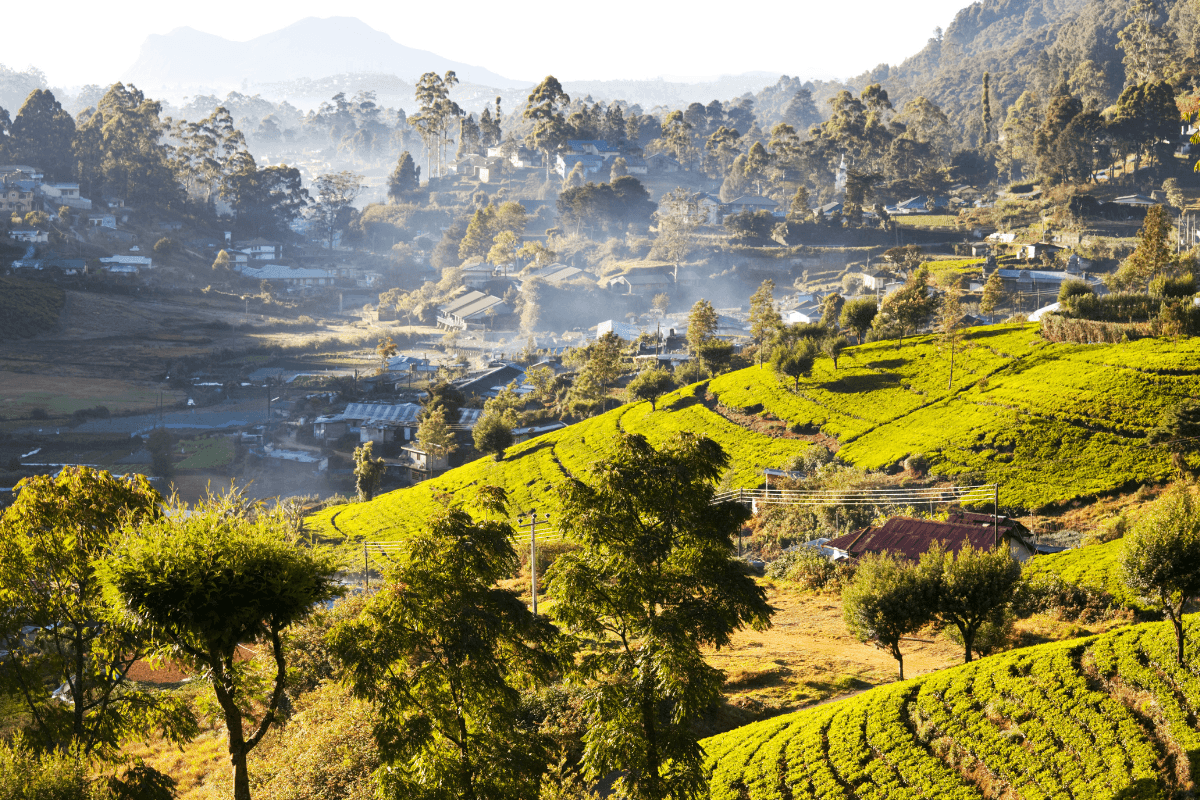
Multigenerational trips work best when grandparents feel central rather than accommodated. The most memorable shared moments are usually the wildlife encounters, the family meals, the village stops where grandparents' curiosity and patience model something wonderful for the grandchildren, and the slow mornings at a boutique hill-country hotel where everyone sits on the same terrace watching the mist clear. Design the route so those moments are protected alongside the more active options rather than treated as concessions.
What to share to plan a multigenerational route
A useful multigenerational enquiry includes all family ages, rooming needs, walking comfort for each generation, swimming confidence for each generation, any medical or mobility notes relevant to the planning, must-do experiences, comfort level and budget range, food preferences or restrictions, and how the family broadly wants the trip to feel — adventure-led, wildlife-led, culture-and-comfort-led, or mixed. More detail at the enquiry stage means fewer adjustments and surprises during the route.
How to contact the team for a multigenerational route
Multigenerational enquiries benefit from the most detail of any Sri Lanka route request. When you contact Xclusive Adventures on WhatsApp at +94714646865 or at info@xclusiveadventures.com, the most useful first message includes all family ages grouped by generation, any rooming needs or accessibility requirements, the activities different family members are enthusiastic about, a rough budget range, and travel dates. The team will reply with clarifying questions before suggesting a route, which is the correct process for a group with this many variables. A multigenerational family route planned through a genuine enquiry conversation almost always works better than one bought from a fixed package page that cannot account for a grandmother who needs ground-floor access or a seven-year-old who goes to bed at six.
Planning FAQs
Can a multigenerational family do adventure activities in Sri Lanka?
Yes, when activities are selected by age, confidence, and mobility rather than applied uniformly. White water rafting, rainforest walks, and safari are accessible to most generations when the specific activity, water level, and guide judgement suit the full group. Canyoning and more demanding hikes become optional for the most active family members.
How do you plan a route when some family members want adventure and others do not?
Use shared anchors — safari, rainforest, gentle rafting when suitable, cultural visits, village food — that work across generations, then add optional adventure layers like canyoning or longer hikes for the most physically confident members while others take an alternative. Private planning makes this structure easy to build in.
What should families check before choosing hotels for a multigenerational trip?
Rooming type and configuration, stair access for older members, pool presence for children, food accessibility at all hours, noise levels, distance to the next activity, ground-floor option availability, and whether the location supports the next morning's route without requiring a punishing early start.
What details should I send for a multigenerational Sri Lanka route?
Send travel dates, full group size with all ages, rooming configuration needed, walking comfort for each generation, swimming confidence, medical or mobility notes relevant to the planning, must-do activities, accommodation comfort preference, approximate budget range, and any dietary needs or food restrictions.
How long should a multigenerational Sri Lanka trip be?
Ten to fourteen days works well for most multigenerational groups: enough time to include Kitulgala, a cultural or hill-country section, wildlife, and a coast finish without requiring exhausting back-to-back transfer days. Shorter trips can work with a more focused route, but the recovery time built into longer itineraries makes a real quality difference for mixed-age groups.