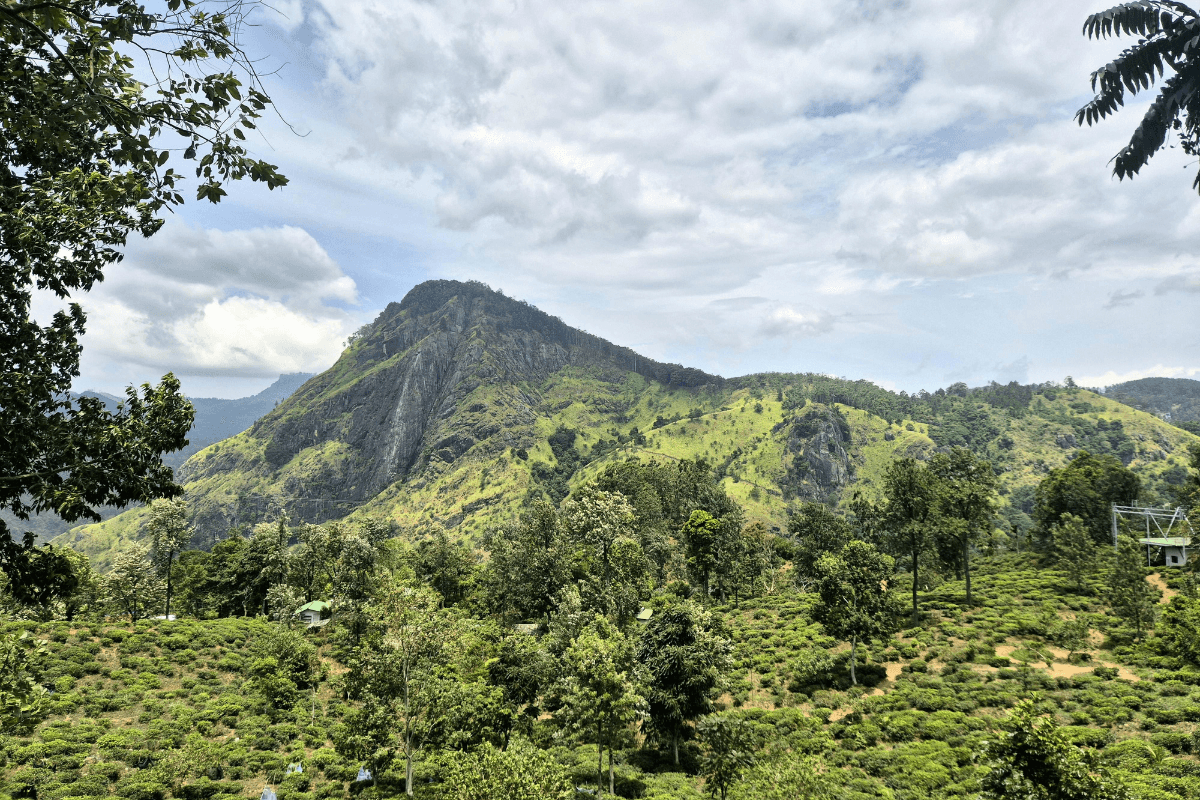
How the guide team keeps adventure practical, clear, and matched to the group.
Before travelers commit to rafting, canyoning, hiking, safaris, cycling, or a private route, they should understand how suitability, weather, briefings, equipment, and communication are handled.
Trust before the trip
Strong guiding starts before the activity begins.
International travelers often compare operators on price, reviews, and route ideas. For adventure travel, the better question is whether the team asks enough before saying yes. These standards show what Xclusive Adventures should protect as the site, Facebook, and booking systems scale.
First-timers, families, cautious swimmers, and mixed-ability groups need honest suitability advice.
Guides and the booking team should check age mix, water confidence, medical notes, footwear, transfer timing, and activity goals before treating a plan as suitable.
Weather and river conditions reviewed
Rafting and canyoning depend on recent rain, water level, access, and guide judgement.
Condition-sensitive activities should be checked before final confirmation and again close to the service date when weather could affect safety or comfort.
Briefing before the activity
Guests should know what will happen before they enter the river, canyon, trail, bike route, or jeep.
Every guided activity needs a plain-language briefing covering what to wear, how to follow instructions, what the route involves, and when to ask for help.
Equipment and preparation checks
Travelers want to know that activity gear, footwear expectations, transport timing, and essentials are not improvised.
Equipment and guest preparation should be confirmed before the activity, with special attention to water activities, canyoning footwear, family groups, and changing time.
Emergency and communication readiness
International travelers need to know who is responsible if pickup, weather, health, or activity conditions change.
Confirmed trips should have guest contact details, pickup notes, emergency contact, guide or booking lead ownership, and a same-day communication path.
Post-trip learning
A strong operator improves from guest feedback, weather adjustments, guide notes, and review themes.
After each delivered trip, the team should record what worked, any issue, review opportunity, photo permission status, and what should improve in future proposals.
Decision path
Before quoting
Dates, group size, pickup/drop-off, ages, water confidence, medical notes, route timing, and activity preference.
The first recommendation is realistic rather than a generic package.
We use analytics and Meta Pixel only if you accept, so we can understand which Sri Lanka planning pages and campaigns lead to useful enquiries. Essential enquiry and booking forms work either way. Read the privacy policy and cookie policy.