
Sri Lanka is a small island that demands a surprisingly varied wardrobe — the gear you need for a morning on the Kelani River in Kitulgala is completely different from what you'll want at a Nuwara Eliya tea estate that evening. Pack for one environment and you'll be underprepared for the others; pack for everything without a plan and you'll be dragging an overloaded case up Ella Rock. This guide cuts through the noise with honest, practical advice organised around the zones and activities you'll actually encounter — rafting, hill country, safari, cultural sites, and coast.
Rafting and Canyoning (Kitulgala): What to Wear in the Water
The Kelani River doesn't care about your favourite t-shirt, and the single most important packing rule for white water rafting or canyoning in Kitulgala is: no cotton. Cotton holds water, and wet cotton on a moving river turns cold fast — which is miserable when you're trying to enjoy Grade 2-3 rapids (up to Grade 4 in high water). Pack quick-dry synthetic or merino clothing, lightweight shirts and boardshort-style shorts that drain and dry within minutes of leaving the water. You'll also need closed-toe shoes with secure fastenings — old trainers or water shoes work perfectly; flip-flops are not acceptable on the river. Bring a change of clothes sealed in a dry bag or waterproof stuff sack, a microfibre towel, sunscreen, insect repellent, and a small amount of cash since ATMs in Kitulgala are limited. Helmets, life jackets, and paddles are all provided — you do not need to bring your own safety gear.
Hill Country (Ella, Nuwara Eliya, Haputale): Layer Up
People consistently underestimate how cold Sri Lanka's hill country gets — Nuwara Eliya, the island's highest city, drops to 5–12°C on winter evenings, and a damp mist rolls in off the tea slopes by late afternoon even in warmer months. If you're combining Kitulgala with Ella or the wider hill country, as most multi-day tours do, pack for genuine cold evenings rather than hoping a thin shirt will suffice. The principle is layering, not bulk: a light fleece or warm pullover as a mid-layer, a packable waterproof rain jacket, and comfortable walking shoes or light hiking boots with ankle support will serve you far better than one heavy jacket. You can walk from a cool misty morning on a tea estate into warm afternoon sunshine on the same day, so clothes that work across both conditions are essential. A reusable water bottle rounds out your hill country kit.
Safari (Udawalawe, Yala, Minneriya): Blend In
On a Sri Lanka safari you are a guest in someone else's habitat, and the gear principle is simple: don't disturb the wildlife, protect yourself from the sun and dust, and be able to see clearly. Stick to neutral colours — khaki, olive, beige, grey — and leave bright clothing at the hotel. A light long-sleeved shirt provides sun and dust protection without adding warmth in the heat, and a wide-brimmed sunhat with UV-blocking sunglasses is essential for long open-vehicle drives. Binoculars transform a safari — even a basic pair lets you see far more than the naked eye, and a camera or phone with a strong optical zoom will capture what you spot. Bring insect repellent especially for dawn and dusk drives, and a dust cloth or small bag to protect your camera equipment. If you're visiting Minneriya between July and October, you may witness the Gathering, one of the largest elephant congregations on earth, so it's worth discussing timing when planning your itinerary.
Cultural Sites (Kandy, Sigiriya, Dambulla, Polonnaruwa): Dress with Respect
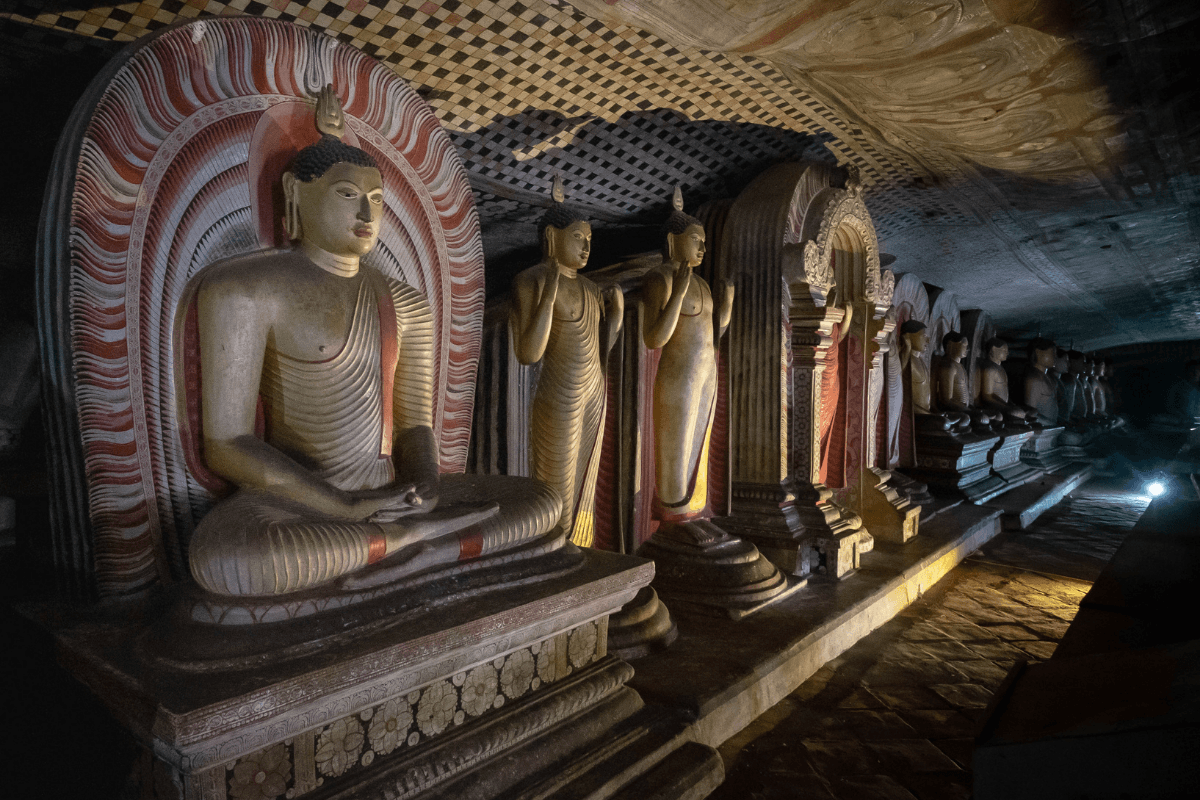
Sigiriya, Kandy, the cave temples of Dambulla — these are living religious sites, not museum exhibits, and you will be asked to remove shoes, cover your shoulders and knees, and move through spaces that hold genuine significance. Pack clothing that covers shoulders and knees, and note this applies to everyone regardless of gender. Slip-on shoes make the repeated shoe-removal at temple entrances far less frustrating than laces, and a small lightweight scarf or sarong you can wrap when needed takes up almost no space in your bag and gets you through any awkward temple entrance situation. For Sigiriya specifically, the climb up the rock is steep and exposed — closed-toe shoes with grip are far more comfortable than sandals for the ascent, even though you'll slip them off at the entrance. Plan to put them back on quickly at the base and wear something comfortable for walking between sites in the heat.
Beach and Coast: Keep It Simple
Sri Lanka's south and west coasts are the straightforward part of the packing list — the essentials are genuinely minimal. Swimwear, reef-safe sunscreen to protect the reefs around the island, a light cover-up for moving from beach to restaurants or towns, and flip-flops is all you need. The coast is where you decompress after the more demanding adventure sections of your trip, so keep it light and don't overthink it.
General Essentials: The Things That Apply Everywhere
A few items belong in your bag regardless of which parts of Sri Lanka you're visiting. For documents, carry a passport photocopy stored separately from your original, travel insurance documents in both digital and printed form, and your ETA or visa confirmation. For health, bring prescription medication with its original prescription, hand sanitiser and wet wipes, and any over-the-counter medications you rely on since availability varies outside cities. Sri Lanka uses Type D (3-pin round) and Type G (3-pin flat, UK standard) plugs — UK visitors can often use their plugs directly at Type G sockets, while most other nationalities need a Type D adapter or universal travel adapter. A power bank is non-negotiable for full days out, and a reusable water bottle is essential since tap water in Sri Lanka is not drinkable.
What to Leave at Home
Drones require permits for tourist operation in Sri Lanka and the process is genuinely complex — rules change, and unless you've applied in advance through the Civil Aviation Authority, leave the drone at home. Excessive jewellery and valuables add worry without adding value; a basic watch and an internationally accepted card is enough. Where you can, swap single-use plastics for reusables — Sri Lanka has a significant plastic waste problem, particularly around waterways and coastal areas, and small choices from visitors add up.
Planning FAQs
Do I need to buy specialist gear before I come to Sri Lanka?
Not for most activities. For rafting and canyoning, quick-dry clothing and secure shoes are the only gear requirements — and old trainers you already own are fine. Helmets and life jackets are provided. For safari and hiking, you need neutral colours and reasonable footwear, not technical kit.
Is there anywhere to buy forgotten items in Sri Lanka?
Colombo has good shopping, including Odel and several international-brand outlets, and Kandy and Ella have smaller shops. Kitulgala is a small town — do not count on finding specialist items there. Sort your kit before you leave your home country or before departing Colombo.
What plug adapter do I need for Sri Lanka?
Sri Lanka uses Type D (round 3-pin) and Type G (flat 3-pin). UK visitors can often use their plugs directly at Type G sockets. Most other visitors need a Type D adapter or a universal travel adapter.
Should I bring a dry bag for rafting?
We recommend it. A small waterproof dry bag or waterproof phone case means you can bring your phone to the river without worry. If you don't have one, we can advise on options when you enquire — WhatsApp us at +94714646865.
Can I wear flip-flops for white water rafting?
No. Flip-flops come off in moving water and leave your feet completely unprotected on rocks. Wear closed-toe shoes with secure fastenings — old trainers work perfectly.
What should I wear inside Buddhist temples?
Covered shoulders and knees are required, and you will need to remove your shoes. A lightweight scarf or sarong is worth packing — it takes up almost no space and gets you out of any awkward situation at a temple entrance. Slip-on shoes make the repeated shoe-removal much less annoying.
Is travel insurance really necessary?
Yes. Adventure activities including white water rafting require proper adventure sports cover, and standard travel insurance often excludes these activities. Check your policy carefully for adventure sports inclusions before you buy.
How much cash should I carry?
Card acceptance is improving in Sri Lanka but is still unreliable outside hotels and restaurants in tourist centres. Kitulgala in particular has limited ATM access. Carry enough rupees for a day's spending when heading into smaller towns or on river days.