
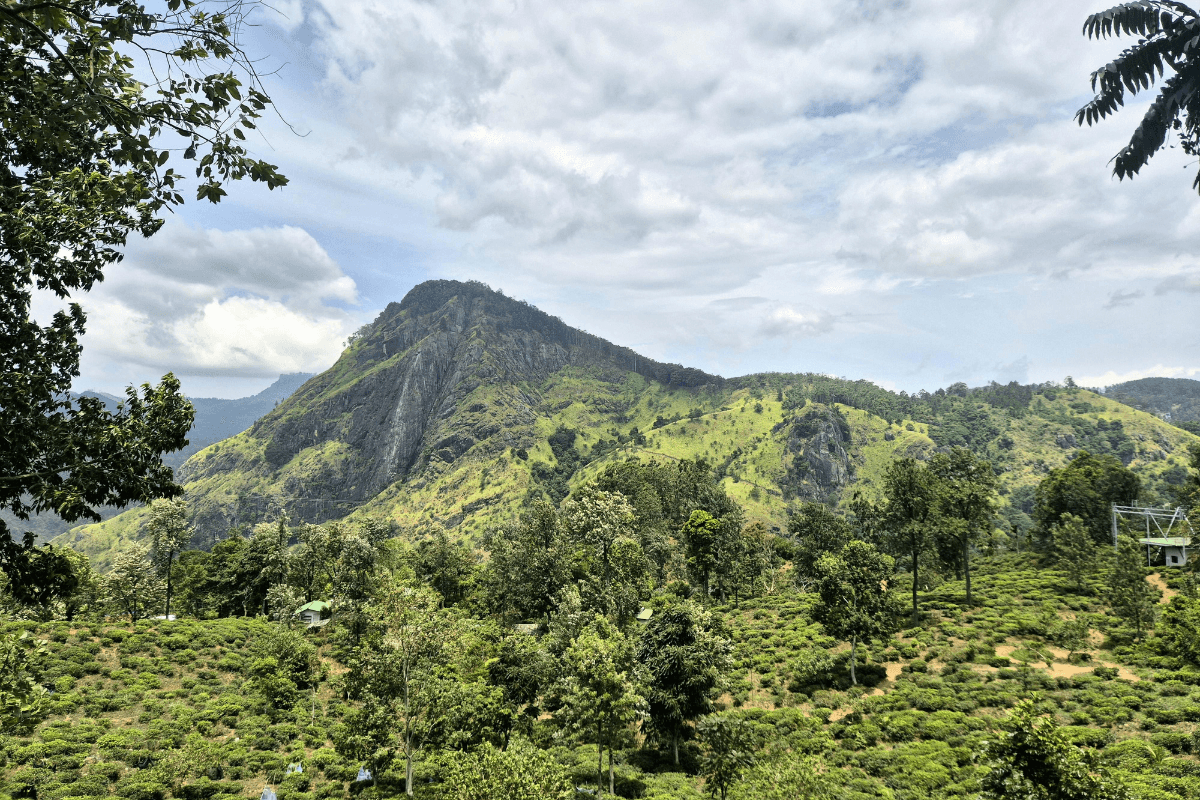
Sri Lanka's dramatic geography — deep river gorges, rainforest mountains, a coastline caught between two monsoon systems — creates natural hazards that go beyond what most travel guides address. This guide covers the specific risks that matter most to adventure travelers: flooding, landslides, flash floods on rivers, lightning, tsunami context, and wildlife on the road. The goal is honest information that lets you plan confidently, not alarmist warnings that discourage travel.
The Two Monsoons: Understanding Sri Lanka's Weather System
Sri Lanka sits between two distinct monsoon systems that affect different parts of the island at different times of year. The southwest monsoon (roughly May to September) brings heavy sustained rainfall to the west coast, central highlands, and adventure hubs like Kitulgala, Kandy, and Ella. The northeast monsoon (November to January) affects the north, the east coast, and areas around Yala and Trincomalee. October and November form an inter-monsoon transition when unpredictable, intense rainfall can hit the whole island simultaneously — April carries similar characteristics. Understanding which monsoon governs your region and travel window is the single most important context for managing weather-related risk in Sri Lanka.
Monsoon Flooding: Which Regions, Which Months
Flooding in Sri Lanka ranges from minor road inundation to serious submersion of lowland towns. The southwestern lowlands — including Kalutara, Galle, and Colombo's outskirts — are most vulnerable during the peak southwest monsoon from May through July, when roads like the A7 toward Kitulgala can become impassable. Hill country districts including Nuwara Eliya, Haputale, and Ella see serious rainfall from May to August, with mountain roads prone to washouts and steep drop-offs. Eastern Sri Lanka, including Arugam Bay and Trincomalee, carries heightened risk during the northeast monsoon from November to January. For all adventure travel between May and November, check conditions 48 hours ahead, hold a contingency plan, and book with operators offering genuinely flexible terms.
Landslides: The Hill Country Risk Few People Talk About
Landslides are a genuine and underreported hazard in Sri Lanka's central highlands, where steep gradients, heavily weathered rock, and some of South Asia's highest rainfall totals combine dangerously after extended wet periods. The districts with the highest landslide frequency are Badulla, Nuwara Eliya, Ratnapura, and Kegalle — covering much of where adventure travelers spend time. Risk peaks from May through September and is highest in the 24–48 hours following sustained heavy rain. Slopes cleared for tea or vegetable cultivation are significantly more vulnerable than intact forest. Warning signs include fresh slumping on roadside banks, cracks in tarmac running parallel to slopes, and brown water seeping from hillsides. Sri Lanka's Disaster Management Centre issues warnings that circulate quickly through local news and social media. If a road is blocked by a fresh landslide, do not cross or wait near the debris — secondary slides are common in the hours following an initial event.
River Flash Flooding: The Most Relevant Risk for Kitulgala Travelers
The Kelani River responds fast to rainfall upstream — heavy rain in the highlands above Nuwara Eliya can produce a fast-rising river in Kitulgala several hours later under a clear sky. This is the core risk for anyone rafting or canyoning near Kitulgala, and it is why professional operators here do not simply look out the window before a session. Xclusive Adventures monitors water levels, upstream conditions, turbidity, flow rate, and weather forecasts before every session, and maintains contacts further up the catchment. On borderline days we delay; on unsafe days we cancel — no exceptions. If caught in a flash flood on a river, stay with your guide, float on your back feet-downstream to work toward calmer water at an angle, and once on shore move uphill and away from the bank immediately, as levels continue rising after the initial surge.
Lightning: The Hazard Travelers Consistently Underestimate
Sri Lanka's inter-monsoon thunderstorms — particularly in April and October/November — arrive fast and find adventure travelers in exposed positions: on ridgelines during hikes, mid-river on rafts, or at the top of a waterfall during a canyoning session. The Adam's Peak area is particularly exposed, with afternoon and evening storms common during certain months for hikers who find themselves near the summit on open high ground. The rule is simple: if you can hear thunder, you are already within lightning range. Move immediately away from ridgelines, isolated trees, and open water. Seek dense low vegetation or a substantial building. In an open field, squat low with feet together — do not lie flat. Lightning causes deaths among people in exposed terrain in Sri Lanka every year and receives far less attention in standard travel guides than the risk warrants.
Tsunami Risk: Context After 2004
The 2004 Indian Ocean tsunami killed over 30,000 people in Sri Lanka and is a reasonable concern for any coastal traveler. The Sunda megathrust fault that caused it remains active, but a regional Indian Ocean Tsunami Warning System now exists and Sri Lanka has invested significantly in coastal warning infrastructure, evacuation route signage, and community awareness. The probability of a repeat event in any given year is low, and the southwest coast where most tourism is concentrated is more sheltered from Sunda fault events than the east and north. If you feel strong, prolonged ground shaking while near the coast, do not wait for an official warning — move immediately to high ground. If the sea retreats dramatically and unusually far, evacuate at once. These two signals mean leave first, ask questions later.
Wildlife Hazards: The Ones That Actually Get People
Elephants on roads at night are the most underappreciated hazard for road travelers in Sri Lanka. Wild elephants move across roads in the dry zone around Habarana, Minneriya, Dambulla, and the approaches to Yala and Udawalawe, and are effectively invisible at night. Collisions kill both humans and elephants every year. If you see an elephant on the road, stop well back and wait — do not honk or attempt to drive around it. Sri Lanka also has seriously venomous snake species including Russell's viper, saw-scaled viper, Ceylon krait, and Indian cobra. Wear boots in long grass or undergrowth, watch where you put your hands on hikes, and seek immediate medical treatment (antivenom at a hospital) if bitten. Mugger crocodiles inhabit many inland waterways and coastal lagoons — do not swim in rivers or lagoons unless a local guide has specifically confirmed it is safe.
What Xclusive Adventures Does to Manage These Risks
Operating on and beside rivers every day in Kitulgala means risk management is a core operational skill, not an afterthought. Every Xclusive Adventures guide holds swift water rescue training and current first aid certification. Pre-activity briefings cover specific hazards for that day's conditions. Safety equipment — helmets, life jackets, throw bags — is checked and maintained consistently, and group sizes are kept small enough for guides to maintain genuine oversight of every participant. On high-risk days we cancel or reschedule. We know some operators in Sri Lanka do not do this — that commercial pressure leads to corners being cut. We would rather lose a booking than put guests in avoidable danger. If we postpone your activity due to river conditions, that decision reflects the same judgment that maintains our safety record.
Planning FAQs
Is Sri Lanka dangerous because of natural disasters?
Sri Lanka is not an unusually dangerous destination — most visitors travel without any incident related to natural hazards. However, it is a tropical island with an active monsoon system, and some hazards, particularly river flooding and landslides, are relevant to adventure travelers in ways they would not be for beach tourists. Good information and a flexible itinerary manage the vast majority of risk. Avoid operators who never cancel activities regardless of weather conditions.
When is the risk of flooding and landslides highest in Sri Lanka?
The peak risk period for the hill country and Kitulgala area is during the southwest monsoon, roughly May to August, with October and November also carrying elevated risk during the inter-monsoon transition. The east coast carries heightened risk during the northeast monsoon from November to January. These months are not ones to avoid entirely — experienced operators run excellent trips year-round — but they require more weather awareness and itinerary flexibility than the dry season months.
Is it safe to go white water rafting in Kitulgala during the monsoon?
Yes, with the right operator on the right days. Kitulgala's rafting runs year-round, and many experienced travelers prefer the monsoon months because higher river levels make the rapids more powerful. The critical factor is operator judgment: a responsible operator monitors conditions daily and cancels or reschedules when the river has risen above safe operating levels or is carrying dangerously heavy debris. Never raft with an operator who claims to run regardless of conditions.
What should I do if there is a tsunami warning while I am in Sri Lanka?
Move immediately to high ground and away from the coast — do not wait for visual confirmation of a wave and do not return to collect belongings. The Indian Ocean early warning system means alerts can arrive before wave impact in many scenarios, but do not rely on receiving a formal alert. Strong prolonged ground shaking or a dramatic retreat of the sea are your signals to self-evacuate immediately. Follow local emergency services guidance once you are in a safe location.
Are wildlife encounters with elephants or snakes a serious risk for travelers?
For typical tourist activity, the risk is low. The most statistically significant wildlife hazard for travelers is road collision with elephants at night in the dry zone — avoidable by not driving after dark in elephant country or by hiring a driver familiar with those roads. Snake encounters on trails are uncommon but real; wearing appropriate footwear and watching where you step dramatically reduces risk. Seek immediate medical attention at a hospital if bitten by any snake, as antivenom is the correct treatment.
Does Sri Lanka have an early warning system for floods and landslides?
Sri Lanka's Disaster Management Centre issues warnings for floods, landslides, and coastal hazards that circulate through local news, radio, and social media. Your accommodation, driver, or guide will typically be the fastest and most reliable source of relevant local warnings. It is worth saving the local disaster management emergency number (119) and ensuring your accommodation contact can reach you if conditions change rapidly overnight.