
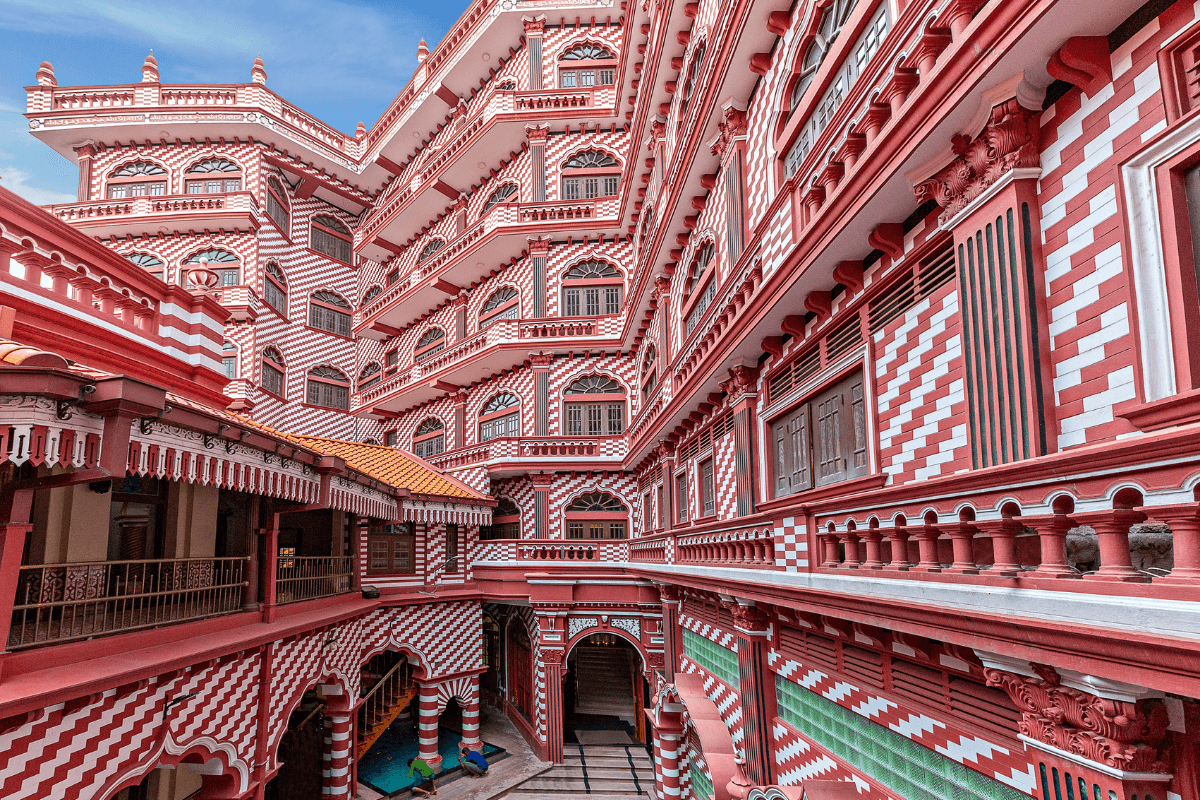
The best Sri Lanka accommodation plan is route-led. Choosing where to sleep before you have decided how the trip flows is one of the most common planning mistakes — a beautiful property in the wrong location can add hours to every morning and drain the energy from the adventure days you came for. Work the route first, then choose stays that make the next morning easier.
Adventure travelers generally need three kinds of accommodation across a Sri Lanka trip: a practical base close to water activities and rainforest starts, comfortable recovery stops after long transfers or hard physical days, and a relaxed beach finish that earns its pace. Each type of stay solves a different problem on the route.
Budget range matters, but style is not purely about price. A simple riverside camp in Kitulgala that gets you on the river by eight in the morning does a better job than a mid-range hotel an hour away. A boutique hill property with views and warm evenings gives you more recovery after a hiking day than a budget guesthouse with a noise problem at street level. Match the stay to what the route is trying to do, and the accommodation decision becomes much easier.
Kitulgala: stay close to the river
In Kitulgala, the priority is access, not luxury. Adventure lodges, riverside camps, and simple eco-stays positioned near the Kelani River mean earlier starts, less rushed mornings, and more time around the water after activities end. Properties like Borderlands, the Plantation Hotel, River Garden Resort, and a handful of smaller adventure camps cater specifically to rafting and canyoning guests. Rates broadly range from around $30–80 per night depending on room type and season. The best choice depends on your group size, comfort floor, and whether you want a pool and meal service or a stripped-back adventure camp feel. Confirm meal timing and activity logistics directly — some stays include breakfast and dinner arrangements that matter when you are planning early departures.
Hill country: views and recovery between active days
Around Nuwara Eliya and Ella, your accommodation priority shifts from adventure access to recovery and scenery. After rafting, canyoning, or a long transfer from Kandy, a property with comfortable beds, warm evenings, a decent kitchen, and views across tea estates can completely change how you feel about the next day. In Ella, boutique guesthouses and hillside hotels in the $60–150 range offer real value for couples and families. In Nuwara Eliya, colonial-style guesthouses and tea-estate properties suit the atmosphere. Stay on the quieter edges of Ella town if sleep matters more than street access, and choose Nuwara Eliya properties with covered sitting areas for cooler evenings.
Sigiriya: choose comfort and early starts
The Cultural Triangle base should be chosen around one clear job: getting you to Sigiriya Rock, Pidurangala, Dambulla, or Minneriya in the cool of the morning before heat and crowds build. Eco lodges, boutique resorts, and family-friendly properties in and around Sigiriya town in the $80–200 range can handle most groups. Pool access matters on hot afternoons between cultural sites. Families benefit from properties that offer easy food options for children, and photographers benefit from stays with early check-out flexibility. Do not choose your Cultural Triangle base only by price — route-to-site access saves more energy across two or three days than a marginally better room.
Kandy: a practical hinge, not just a famous city
Kandy works best as a route-break night between Kitulgala, the Cultural Triangle, and the hill country — not as a destination to squeeze dry in eight hours. Lake-area hotels put you close to Temple of the Tooth and evening food, while hillside boutique properties above the traffic often give better sleep. Heritage hotels add atmosphere if culture is the trip's main focus. One night is usually enough for a practical route break; two nights suits travelers who want to give culture more room. Budget roughly $50–180 per night depending on style. The key decision is whether your next morning heads toward Sigiriya, Nuwara Eliya, or Ella, because that changes which Kandy hotel actually makes the transfer easier.
South coast: pick the right beach for the season
Mirissa, Weligama, and the quieter bays between Galle and Tangalle are the most common adventure-route beach finishes for west and south coast travel, typically between December and March. Weligama suits beginner surfers and families who want easy bay access. Mirissa has a livelier feel with seafood, bars, and the classic south-coast beach atmosphere. For couples who want quiet evenings and sleep after an active route, smaller boutique stays between these towns can be the best value. Budget $80–300 per night for decent beach properties in peak season. Always confirm your final beach night's distance from the airport transfer before booking — a beautiful last night loses its appeal if the drive the next morning is longer than expected.
Luxury and adventure: where they meet
Luxury and adventure are not opposites in Sri Lanka — they just need to be placed correctly on the route. Eco-luxury lodges in the $200–500 range exist near Sigiriya, Ella, and the south coast, and they can be the right call after physically demanding days when the group needs a proper reset. The mistake is choosing luxury only in the places where the main purpose is activity access — a premium riverside lodge in Kitulgala matters far less than a practical one, while a high-end hill-country property after three active days can transform the second half of the trip. Let the function of each stop decide the accommodation grade, not the other way around.
What to share when asking for stay recommendations
When you reach out to Xclusive Adventures for accommodation advice, share a few key details: your travel dates, the rough route you have in mind, group size and composition, whether you have children and their ages, your general comfort level (budget camp to boutique to luxury), any dietary or access needs, and whether any stays are already confirmed. With that information, the team can advise which properties actually support the activity days, where nights would be wasted on unnecessary transfers, and which accommodation style gives you the best ratio of value to route fit. A route shaped around realistic stays is always a stronger adventure than one built around a wishlist of impressive hotel names.
Planning FAQs
Can Xclusive Adventures recommend specific hotels in Kitulgala?
Yes. When you share dates, group size, comfort level, and activity plans, the team can suggest which Kitulgala properties best suit your route — whether that is an adventure camp close to the river or a more comfortable boutique stay with meal service. Properties like Borderlands and the Plantation Hotel are well-known options, but availability and suitability should be checked before quoting.
Should I book hotels before confirming the itinerary?
For most adventure trips, it is better to confirm the route logic first — activity days, transfer points, and stop order — and then choose stays that support each morning's plan. Booking accommodation in the wrong sequence can lock you into locations that add unnecessary travel time or conflict with early activity starts.
Are luxury stays compatible with an adventure itinerary?
Yes, but place them thoughtfully. Eco-luxury properties near Sigiriya or Ella can be excellent recovery stops after hard physical days. High-end stays near activity bases like Kitulgala are rarely worth the premium because the function there is access to the river, not the room.
How much should I budget for accommodation in Sri Lanka?
Budget guesthouses and simple adventure lodges run approximately $30–50 per night. Mid-range boutique hotels and comfortable guesthouses range from $80–150. Luxury eco-lodges and resort properties typically cost $200–500 per night. Most private adventure routes can be built well in the $80–150 mid-range, with selective upgrades at recovery stops.
What if I already have some hotels booked when I contact you?
Share what is already confirmed. The team can work around fixed bookings, flag any that might cause transfer problems, and recommend fills around them. It is better to flag potential route issues before travel than to discover them on the road.