
Sri Lanka packs jungle, ancient temples, cold hill-country nights, safari savanna, and sun-bleached beaches into one small island — each zone with its own dress code. Getting it wrong means sunburn on the river, turned away at a temple gate, or shivering through a pre-dawn summit. This guide cuts through the confusion zone by zone so you pack exactly what you need and nothing you don't.
Zone One: Jungle and Adventure (Kitulgala and the Rainforest)
The Kelani River valley is hot, humid, insect-ridden, and soaking wet — so your clothing must handle all four. A lightweight, light-coloured long-sleeve top is the single most important item: it blocks sun reflecting off the water, acts as a physical barrier against bites, and doubles as a temple cover-up anywhere in the country. For white-water rafting, wear swimwear underneath quick-dry shorts and the long-sleeve top, ideally with a rash guard or UV swim shirt for the river itself. Closed-toe shoes with genuine grip are essential on muddy, rooted jungle trails — sandals are not an option. A wide-brimmed hat and polarised sunglasses protect against relentless water glare. Leave heavy denim, anything white, and non-breathable synthetics behind entirely.
Zone Two: Hill Country (Ella, Nuwara Eliya, and Adams Peak)
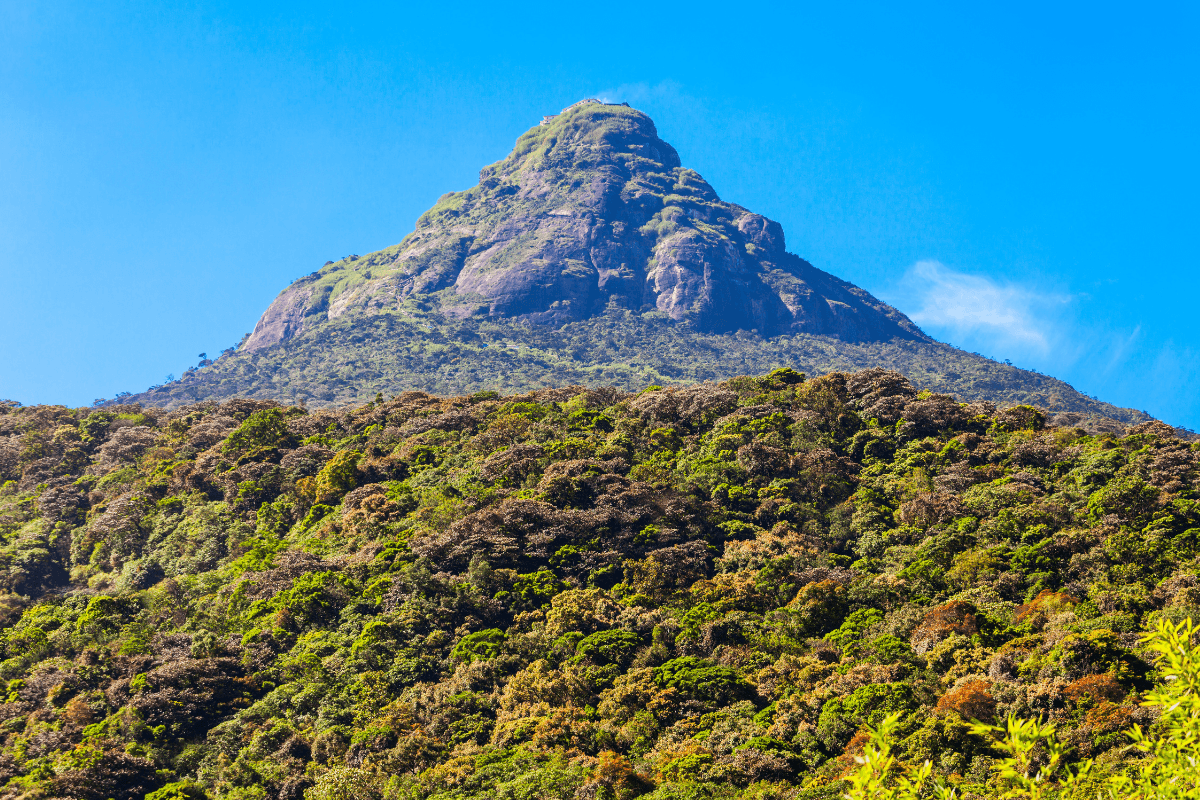
The hill country catches nearly every first-time visitor cold — literally. Nuwara Eliya sits above 1,800 metres and can drop to low single digits at night between November and February; Ella is cooler than expected even in warmer months. A packable fleece or down jacket is non-negotiable. The Adams Peak sunrise hike begins between midnight and 2am, climbs through cool air for several hours, and arrives at a windy summit — bring a wind layer and gloves if travelling December to May, and wear proper shoes for the roughly 5,000 to 5,500 steep, wet steps. For daytime hiking around Ella, quick-dry trousers or leggings work well; always keep the fleece in your daypack because hill-country cloud arrives fast. Prioritise warmth over aesthetics — the cold is real and the views are worth being comfortable for.
Zone Three: Temples, Dagobas, and Cultural Sites
Every Buddhist and Hindu temple in Sri Lanka requires covered shoulders and covered knees for all genders — these rules are not negotiable and reflect genuine religious practice. The most practical solution is a lightweight sarong carried in your daypack at all times: it wraps into a skirt over shorts, covers shoulders in a pinch, and doubles as a beach towel. Buy one in Sri Lanka where they are cheaper and better quality than airport souvenirs. Choose slip-on shoes or sandals rather than laced boots, since you will remove footwear at every sacred building; carry thin temple socks if hot paving is a concern. Avoid wearing black, which is considered inappropriate at certain Theravada Buddhist sites. For women, a lightweight linen midi skirt or loose cotton trousers paired with a long-sleeve top is a near-universal outfit for cultural Sri Lanka.
Zone Four: Safari (Yala, Udawalawe, Minneriya)
Safari dressing in Sri Lanka is straightforward: wear neutral colours — khaki, olive, sand, grey — that avoid spooking wildlife and attracting insects. Avoid bright colours; camouflage is unnecessary. Early-morning game drives are cool, especially in the dry season, so a light layer over the arms handles both the chill and pre-dawn mosquitoes. By 8am the temperature climbs quickly, so everything must be breathable. Wear closed-toe shoes rather than sandals for any designated walking spots, a hat that stays on in a moving jeep, and a buff or lightweight scarf to protect the back of your neck from sustained sun. Leave all expensive jewellery at the lodge for the entire Sri Lanka trip, but especially here where your attention should be on the wildlife rather than what you're wearing.
Zone Five: Beaches (Mirissa, Unawatuna, Arugam Bay)
Beach dressing in Sri Lanka is the simplest zone: standard swimwear is entirely normal at tourist beaches along the south and east coasts. Topless sunbathing, however, is not acceptable and causes genuine offence. The key rule is to cover up the moment you leave the sand — a sarong or light cover-up over a bikini is all that is needed when walking through coastal villages or entering beachside restaurants. Use reef-safe sunscreen: Sri Lanka's marine ecosystems are under pressure, and standard chemical sunscreens compound the problem. Buy reef-safe SPF 50+ before leaving home as the selection in Sri Lanka is limited and expensive outside Colombo's larger supermarkets. Bring more than you expect to need.
The Honest Packing List
The items that earn their place are the ones that do double or triple duty. Two to three lightweight long-sleeve tops in light colours work across jungle, temple, safari, and sun protection. One pair of quick-dry convertible trousers that zip to shorts is the single most versatile bottom for this trip. One packable fleece or down layer is non-negotiable for hill country. A sarong covers temples, beaches, and spontaneous picnics. Two sets of swimwear are useful if you are rafting. For footwear, three pairs covers most trips: closed-toe shoes with grip for hiking and temple steps; slip-on sandals for beach towns and casual temple visits; old trainers or water shoes for the river. Leave behind heavy jeans, expensive jewellery, formal shoes, and white clothing — Sri Lanka's red laterite soil is a permanent dye.
The One Item That Ties Everything Together
If this guide compresses to a single piece of advice, it is this: pack at least two lightweight, long-sleeve, light-coloured tops and build your entire Sri Lanka wardrobe around them. On the Kitulgala river they protect from sun and insects; at temple gates they satisfy the shoulder-covering requirement without requiring a sarong; on a pre-dawn safari morning they provide warmth and a barrier against bites; over swimwear on the south coast they signal that you understand where you are. Sri Lanka moves quickly between climates, cultures, and contexts — sometimes in the same afternoon. Your clothing should move with it. Pack less than you think you need: laundry across Sri Lanka is fast, cheap, and ubiquitous, and the space you save is better used for tea, spices, and hand-woven fabric.
Planning FAQs
Do I need to cover up at Sri Lankan beaches?
On the beach itself, standard swimwear is perfectly acceptable at tourist beaches along the south and east coasts. The rule is to cover up when you leave the sand — a sarong or light cover-up over a bikini is all you need. Walking through beachside villages or into restaurants in swimwear alone is considered disrespectful in a socially conservative country.
What should I wear to a Buddhist temple in Sri Lanka?
Covered shoulders and covered knees are required at every Buddhist and Hindu temple in Sri Lanka, for all genders. Remove shoes before entering sacred buildings, and carry a lightweight sarong in your daypack as a backup cover-up. Avoid wearing black, which is considered inauspicious at certain Theravada Buddhist sites.
Is Sri Lanka cold? Do I need a jacket?
Lowland and coastal areas are hot and humid year-round, but the hill country drops sharply: Nuwara Eliya above 1,800 metres can hit low single digits at night between November and March, and the Adams Peak summit is frequently cold and windy before dawn in any season. Pack a fleece or packable down jacket — it feels unnecessary in the jungle and essential at 5am on the summit.
What shoes should I bring to Sri Lanka?
Three pairs covers most trips: a closed-toe shoe with good grip for hiking and temple steps, a slip-on sandal for beach towns and temple complexes where you remove footwear repeatedly, and either reef water shoes or old trainers you are prepared to sacrifice on a river trip. Leave heels and formal shoes at home — there is no occasion in Sri Lanka that requires them.
Can I buy appropriate clothing in Sri Lanka if I've packed wrong?
Yes, and affordably — lightweight cotton and linen clothing, and especially sarongs, are better and cheaper in Sri Lanka than anywhere else. However, specialist gear such as quick-dry technical fabrics, a good fleece, reef-safe sunscreen, and DEET repellent is harder to source outside Colombo and often more expensive. Bring those from home.
What should I wear for white-water rafting in Sri Lanka?
Wear swimwear as a base layer, add quick-dry shorts or lightweight trousers, and wear a rash guard or UV-protective swim shirt on top. Use secured footwear — old trainers are ideal — rather than sandals that can be pulled off in a rapid. Leave jewellery and anything you value back at camp, bring a dry change of clothes for the vehicle, and let your guides provide the helmet and life jacket.