
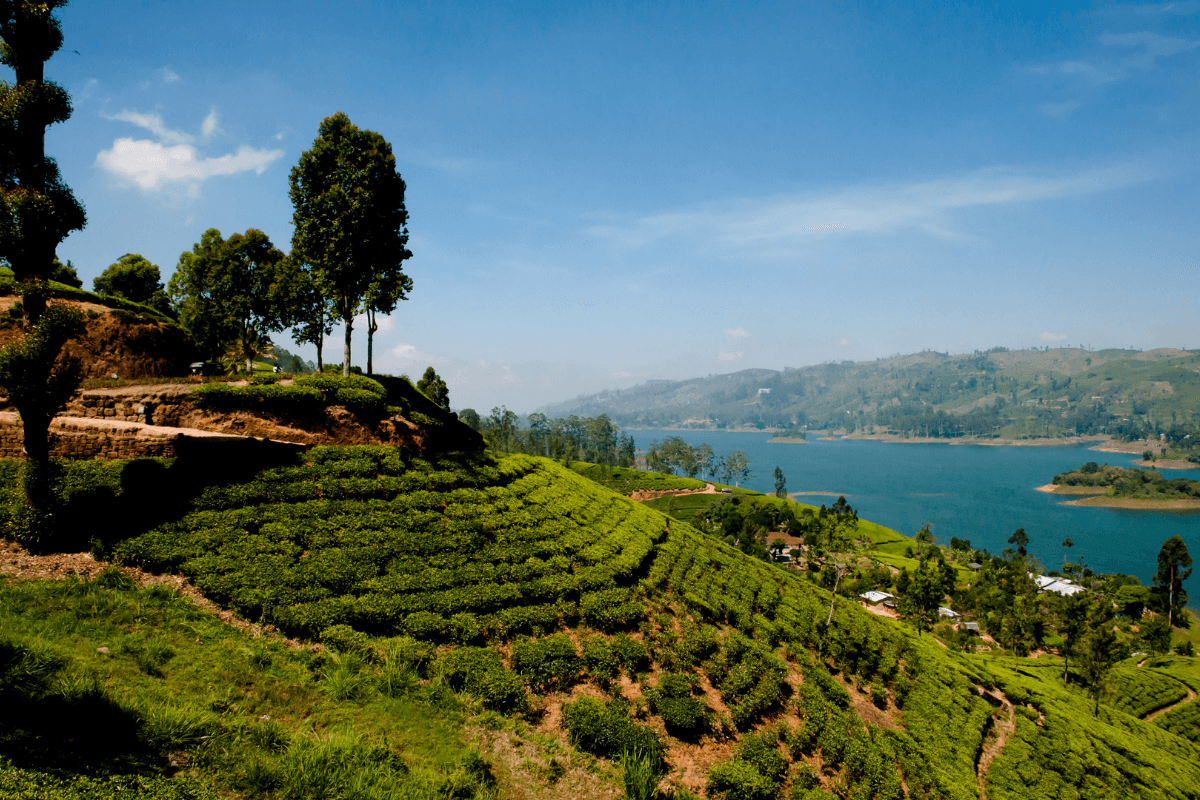
Sri Lanka is workable as a remote base — but only if you plan around its connectivity rather than assuming it will just work. This guide covers every major region honestly, from Colombo's reliable coworking scene to Kitulgala's enforced digital detox, written by someone who spent two weeks trying to meet real deadlines across the island. Use it to schedule your high-stakes calls for the right locations and treat the offline days as the adventure they actually are.
Colombo: Where the Internet Actually Works
Colombo is by far the most reliable place to work in Sri Lanka, with proper 4G coverage across most neighbourhoods and a functioning coworking scene. Hatch at Trace Expert City is the most established option, catering to local tech professionals with stable connections and proper desks. Union Cowork in Colombo 3 is more relaxed and cafe-adjacent. For cafes, Commons Coffee House in Colombo 7 is a digital nomad institution with good espresso, power points, and WiFi that holds through busy lunchtimes. Harpos in Bambalapitiya is quieter with faster speeds. Hotel WiFi follows the usual rule — budget guesthouses are a gamble, international chains deliver — but even in Colombo, tethering from a Dialog or Mobitel 4G SIM will usually outperform hotel WiFi for video calls.
Hill Country: Variable Is an Understatement
The hill country — Nuwara Eliya, Kandy, and the roads between them — is where connectivity gets genuinely unpredictable. Terrain works against signal: thick-walled colonial guesthouses, mountain topography, and proximity to the edge of tower coverage all combine to make speeds erratic. Kandy city centre has workable 4G near the Temple of the Tooth, but go a few kilometres uphill and you may be on 2G. Nuwara Eliya is slightly better in town, with a few cafes on New Bazaar Street suitable for email and light work, but Zoom calls suffer from consistent packet loss. The practical approach is to treat the hill country as a half-offline zone: do deep, connection-free work in the mornings and download everything you need — maps, project files, documents — before you leave lower-altitude connectivity behind.
Ella: The Surprising Sweet Spot
Ella defies expectations. A tiny hill country town better known for Instagram viewpoints and vintage trains, it has developed genuinely usable WiFi because years of slow travellers forced guesthouse owners to invest in it as a competitive selling point. Several places on the main drag and the roads running off it offer connections stable enough for Zoom calls, and solid for anything text-based. Cafe Chill near the Nine Arch Bridge viewpoint has reliable WiFi and good coffee. Guesthouses on Kithalella Road tend to offer better speeds than those on the main street, which are crowded on shared networks. If you need to plan your Sri Lanka trip around getting work done, Ella is the hill country base worth prioritising — it also offers easy access to hikes, one of Asia's most beautiful train journeys, and a genuine sense of place that holds up beyond the social media version.
Kitulgala: Digital Detox by Necessity (and That's Okay)
Kitulgala sits in a river valley surrounded by rainforest, which makes it spectacular for white-water rafting and rainforest hiking and essentially useless for reliable connectivity. Most guesthouses have WiFi of some description; what that WiFi will do with a Zoom call is a separate and generally discouraging question. Dialog 4G technically reaches parts of Kitulgala but signal is inconsistent and will not save you mid-presentation. Some better properties have invested in boosted connections, so it is worth checking before booking — but the standard advice is: if you cannot afford to be offline, do not come here without a fallback plan. The upside is a forced disconnection that tends to be remembered as a trip highlight. Three days of rafting Grade 2-3 rapids (up to Grade 4 in high water), hiking old-growth jungle, and sleeping well is a better use of this location than chasing a signal bar.
Beaches: Lower Your Expectations
Sri Lanka's beach strips vary considerably. More developed areas like Unawatuna and Hikkaduwa have enough tourist infrastructure that cafes with reasonable WiFi are findable, and 4G works adequately in the towns themselves. Further south and east things become patchier — Tangalle is beautiful and remote, and the connectivity reflects both qualities. Arugam Bay on the east coast has evolved into a surfer-digital-nomad hybrid destination, with several cafes on the main strip specifically catering to people who want morning sessions in the water and afternoon working sessions on laptops. The consistent rule across all beach areas: stay within walking distance of the town rather than booking the most isolated stretch of sand. Isolation is worth a night or two; for working days, proximity to cafe WiFi is the practical requirement.
Mobile Data vs Hotel WiFi: Pick Your Fighter
This is not a close contest. A Dialog or Mobitel SIM with a decent data package will outperform hotel WiFi in roughly seven out of ten situations across Sri Lanka. 4G coverage on Dialog is solid across the major tourist corridors — Colombo, the coastal highway, the A1 up to Kandy, and parts of the hill country. Getting a SIM at the airport is the single highest-value practical step you can take before leaving arrivals: the kiosks are properly staffed, packages are clearly explained, and activation takes about fifteen minutes. Tethering from your phone to your laptop works well on strong 4G but drains battery and data faster than expected. Use a power bank, buy a large data package, and consider carrying two SIMs on different networks if you are spending serious working time in the hill country where coverage is patchier.
VPN, Zoom Calls, and the Art of Managing Expectations
Sri Lanka does not block VPN usage, so there is no legal barrier to running one for work security. Performance impact is noticeable on already-slow connections — a VPN on a 3 Mbps guesthouse link will hurt. On 4G it is generally acceptable. Zoom calls work in Colombo and Ella with reasonable consistency; in the hill country plan for problems and have a dial-in fallback number ready, clients warned in advance, and a Slack message drafted to explain the situation. The mental shift that makes remote work actually function here is scheduling calls around location rather than the other way around. Book meetings for Colombo and Ella days. Leave Kitulgala and remote hill country sections deliberately free of live-connection obligations. Most clients will accept "I am in a remote area on these dates" without complaint if the rest of your output is solid.
Backup Strategies That Actually Help
A few practical habits that consistently make the difference: download Google Maps offline for every region before you leave reliable WiFi — it is not optional in Sri Lanka. Enable offline mode in Notion, Google Docs, and any other tool you depend on, and sync everything before travel days. Work in morning windows from roughly 6 to 8am when shared networks in tourist areas are least congested — speeds often degrade significantly between 9am and noon as other travellers wake up and hit the same connection. Write important emails in drafts mode and send when signal improves rather than fighting an unreliable connection mid-compose. And carry a power bank rated for at least two full phone charges — constant tethering and signal-hunting will drain a battery faster than any normal day of use.
Planning FAQs
Is Sri Lanka good for digital nomads?
Sri Lanka is workable for digital nomads with the right expectations and planning. Colombo has coworking spaces, reliable 4G, and good cafes for working; Ella has better-than-expected WiFi for a small hill town. Other areas — particularly Kitulgala and rural hill country — require planned offline windows. The key is buying a good SIM card at the airport, checking accommodation WiFi before booking, and treating mobile data as your primary connection rather than a fallback.
Is 4G available across Sri Lanka?
Dialog and Mobitel both offer 4G across the major tourist corridors — Colombo, the coastal highway, the Kandy road, and parts of the hill country. Coverage drops significantly in remote valleys like Kitulgala, in rural areas, and on certain hill country roads where terrain blocks signal. East coast coverage has improved but is less consistent than the south and west. For full coverage details and SIM recommendations, see the Sri Lanka SIM card guide.
Can I do Zoom calls from Sri Lanka?
Yes, but location matters enormously. In Colombo using a good cafe or coworking space, Zoom calls work well. In Ella on a guesthouse with decent WiFi they are usually manageable. In hill country guesthouses and anywhere more remote, packet loss and speed drops make video calls unreliable. The practical approach is to schedule calls for Colombo or Ella days, have a dial-in fallback number ready for everything else, and warn clients in advance when you will be in low-connectivity areas.
Should I buy a SIM card or rely on hotel WiFi in Sri Lanka?
Buy a SIM card. Hotel WiFi in Sri Lanka is inconsistent at every price point except the international chains, and even then it varies. A Dialog SIM with a data package will outperform most hotel WiFi connections across the country and gives you connectivity while moving between places — which in Sri Lanka happens frequently. Pick up a SIM at the airport arrivals hall; it takes about fifteen minutes and makes a significant difference to the whole trip.
Where can I work remotely in Colombo specifically?
Commons Coffee House in Colombo 7 is the most popular remote-working cafe — reliable WiFi, good coffee, and power points at most tables. Harpos in Bambalapitiya is quieter with faster speeds. For dedicated coworking, Hatch at Trace Expert City and Union Cowork in Colombo 3 both offer day passes with stable, professional-grade connections. The Colombo 3 and 7 areas have the best cafe infrastructure for working in the city.
What happens if I need internet in Kitulgala or other remote adventure areas?
Plan for limited or no reliable connectivity. Some Kitulgala guesthouses have WiFi but speeds are low and consistency is poor due to the rainforest valley terrain. Check your specific accommodation before booking if connectivity matters. The practical approach is to treat Kitulgala as intentional offline time — front-load your work in Colombo or Ella, download everything you need, set an out-of-office, and commit to the disconnection. The activities available in and around Kitulgala are significantly better than anything available on a laptop.