
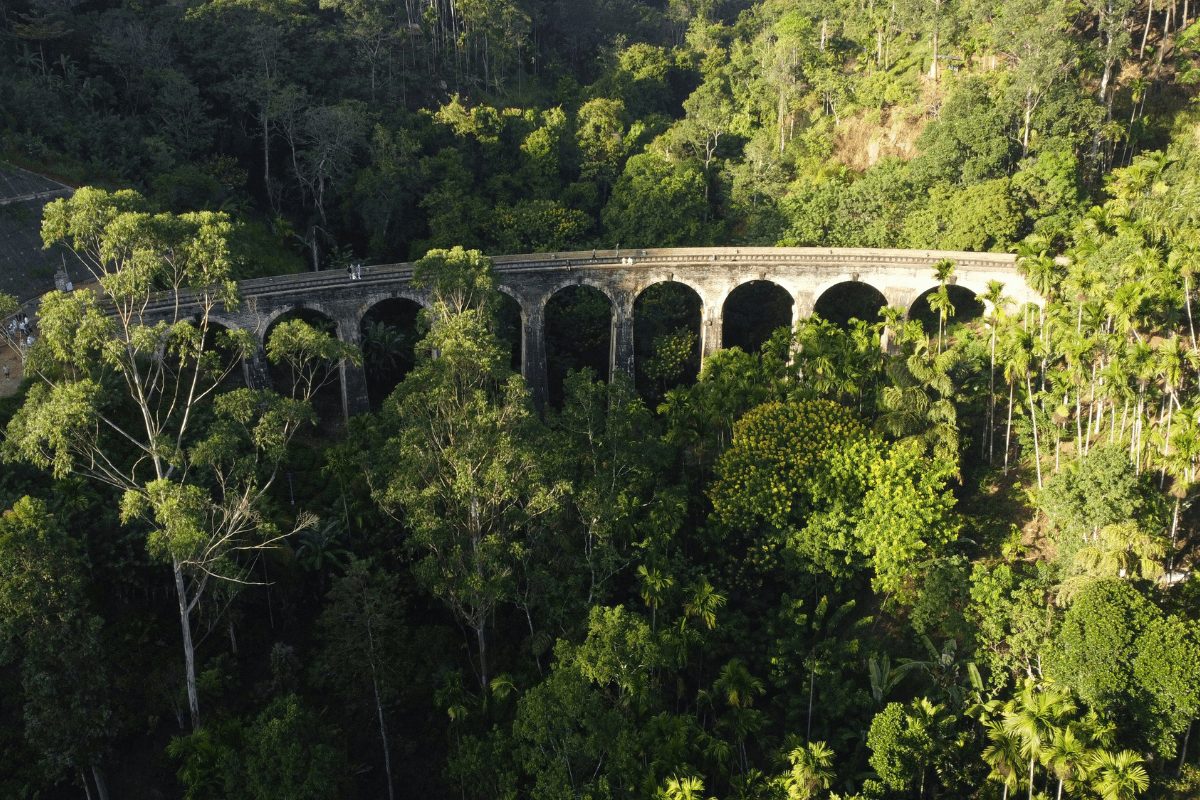
Eight travelers who visited Sri Lanka in the past eighteen months give honest, first-hand accounts of what safety actually looks like on the ground. The country is genuinely welcoming and violent crime against tourists is rare, but specific risks — scams, road conditions, and natural hazards — are real and worth knowing before you land. Come prepared rather than afraid, and Sri Lanka will exceed every expectation.
The Baseline Reality
Most recent visitors to Sri Lanka report feeling safe throughout their trips, often despite arriving with significant anxiety built up from travel advisories. Solo travelers walking alone at night, first-time Asia visitors exploring Colombo at midnight, and families with young children all describe the same experience: a country that is warm, hospitable, and far calmer than they expected. Sri Lanka's culture of hospitality is genuine — strangers will walk you to your destination rather than just pointing. The travelers who had the best experiences were those who came knowing specifically what to watch for, rather than a vague sense of unease. The risks that exist are specific and learnable; the risks that don't exist include a hostile population or meaningful threat from political violence.
The Political Situation: What 2022 Actually Changed
Sri Lanka's 2022 economic and political crisis — fuel shortages, power cuts, the storming of the presidential palace — created an international impression of a country in ongoing meltdown. That crisis has passed. By 2023, Sri Lanka secured an IMF agreement, fuel supplies stabilised, and power cuts ended. The 2024 presidential election brought a new government to power in a process that was peaceful and internationally recognised as credible. Travelers who visited in late 2024 describe a country that bore little resemblance to the one in the 2022 headlines: shops full, restaurants busy, infrastructure functioning. Prices have risen since the crisis, particularly at tourist-facing businesses, but the era of ultra-cheap Sri Lanka is the only thing that hasn't fully recovered.
Scams: The Three You Will Actually Encounter
Vague warnings about scams are useless — here is the actual playbook. The gem scam involves a friendly local building trust before steering you to a shop selling low-quality stones at wildly inflated prices; the defence is never buying gems on a stranger's recommendation. The "closed today" tuk-tuk scam has your driver claiming your destination is shut and offering an alternative that earns him a commission; verify closures on your phone while sitting in the vehicle. Uninvited guides near major attractions start cheap or free and end with an unannounced payment demand; agree on price and scope before any tour starts. None of these involve violence or coercion — they are annoying inconveniences, not dangers. After a few weeks in-country, most travelers report being able to read the setup before it starts.
Petty Crime: Low But Real
Sri Lanka has genuinely low rates of violent crime against tourists — robbery, mugging, and assault are not routine risks in the way they are in some popular destinations. The things to watch for are opportunistic and low-level. Bag snatching happens occasionally around busy tourist sites like Colombo's Pettah market and crowded train platforms; keep bags in front of you in crowds. Beach theft on the south coast is the most commonly reported issue — leaving valuables on the sand while swimming is an open invitation. Budget guesthouses vary in accommodation security; use a locker or safe if provided. A 67-year-old British bird-watcher carrying several thousand pounds' worth of camera equipment through remote rainforest areas reported never feeling threatened — the most hazardous thing he encountered was an enthusiastic leech.
Road Safety: The Risk You Actually Need to Think About
The safety risk in Sri Lanka most likely to affect you is not crime, political instability, or terrorism — it is the roads. Sri Lanka has a high rate of road traffic accidents by regional standards, driven by fast narrow roads, overtaking on blind corners as standard driving culture, and a mix of tuk-tuks, buses, lorries, and pedestrians sharing space. Night driving adds animals on the road. The Kandy-Colombo highway, coast road, and hill-country switchbacks are all places where confident driving is not necessarily safe driving. Hiring a reputable private driver for mountain routes is genuinely safer than taking local buses, not just more comfortable. If renting a tuk-tuk, drive slowly and never at night. Travelers who hired private drivers for hill-country routes consistently report watching bus overtaking manoeuvres with relief that they made the choice they did.
Terrorism: A Realistic Assessment
The 2019 Easter Sunday bombings, which killed over 260 people at hotels and churches in Colombo and Negombo, remain the event most likely to surface in worried family members' pre-trip research. The current picture is this: the domestic Islamist cell responsible has been dismantled, its leadership killed or imprisoned, and no comparable group has emerged. There have been no terrorism incidents targeting tourists since April 2019. Most Western government travel advisories currently rate terrorism risk in Sri Lanka as low-to-moderate — a status shared by many popular travel destinations globally. A visibly Muslim Malaysian traveler who visited in January 2025 specifically researched the security response before going; she visited churches, mosques, and Buddhist temples and reported no unease and no hostility — only curiosity.
Natural Hazards: What the Country Will Actually Throw at You
Sri Lanka's real natural hazards matter more for the average visitor than crime statistics. Rip currents on the south and west coasts are the most dangerous thing on the coastline; drowning deaths among tourists occur, particularly outside the calm November-to-April season. Swim at beaches with lifeguards and respect warning flags. During the southwest monsoon (May-September) and northeast monsoon (October-November), the hill country can experience flooding and landslide risk that closes roads and makes hiking trails dangerous. Wildlife requires respect in safari areas: wild elephants cause fatal incidents annually, and crocodiles near waterways should be given a wide berth. For adventure activities — white-water rafting, canyoning, waterfall abseiling — the difference between a safe and dangerous experience comes down almost entirely to the operator you choose.
Safety for Women and Other Traveler Groups
Solo female travelers consistently report positive experiences in Sri Lanka when taking standard precautions: dressing modestly away from beach areas, avoiding isolated areas after dark, and trusting their instincts. Street harassment is lower than in many South and Southeast Asian countries but is not absent — staring is common and some beach towns have a more charged atmosphere after dark. One German woman spent six weeks backpacking end-to-end and described feeling safe throughout, while being clear-eyed about taking sensible precautions. Families find Sri Lanka very welcoming toward children. LGBT+ travelers should be aware that same-sex activity technically remains illegal under a colonial-era statute, though prosecutions of tourists are essentially unheard of; couples who are low-key in public report zero problems and warm treatment from locals throughout.
Planning FAQs
Is Sri Lanka safe for tourists right now in 2025?
Yes — Sri Lanka is considered safe for tourists in 2025 and has stabilised significantly since the 2022 economic and political crisis. Violent crime against tourists is rare and the political situation is calm. The main risks to be aware of are specific and manageable: opportunistic scams, road accidents (the most statistically significant risk), natural hazards around the coast and during monsoon season, and standard food and water precautions. Come prepared rather than afraid, and you will have a remarkable trip.
Is Sri Lanka safe for solo female travelers?
Generally yes, with context. Street harassment — mostly staring and occasional comments — is present but lower than in many South Asian countries, particularly in some beach towns after dark. Women who dress modestly away from beach areas, avoid isolated areas after dark, and trust their instincts consistently report feeling safe and welcomed. Solo female travel is common and the backpacker infrastructure supports it well; our dedicated solo female travel guide goes deeper on area-by-area specifics.
What happened with the 2019 terrorist attacks — is there still a terrorism risk?
The organisation responsible for the 2019 Easter Sunday bombings has been dismantled and there have been no comparable incidents since. Most Western government travel advisories rate terrorism risk in Sri Lanka as low-to-moderate — a status shared by many popular global destinations. Tourist sites and public spaces operate without heightened visible tension; it is a risk to be aware of, not a reason to avoid the country.
Is it safe to do adventure activities like white-water rafting and canyoning in Sri Lanka?
Adventure activities carry real risks — the water is powerful and the terrain is genuine — but those risks are well-managed by reputable operators with qualified guides, current safety equipment, and proper emergency protocols. The safety record at established operators is good. Choose your operator carefully: look for recognised qualifications, thorough safety briefings, and willingness to answer all your questions. Avoid any operator who minimises safety concerns.
What are the most common tourist scams in Sri Lanka and how do I avoid them?
The three scams most visitors encounter are the gem scam (a new acquaintance steers you to an overpriced gem shop), the "closed today" tuk-tuk diversion (driver redirects you to a commission-earning shop claiming your destination is shut), and uninvited guides who name their price only after the tour is over. The defences are simple: never buy gems on a stranger's recommendation, verify closures on your phone while in the vehicle, and agree explicitly on guide fees before starting. None of these involve violence or coercion — they are inconveniences, not dangers.
Is the food and water safe in Sri Lanka?
Tap water is not safe to drink — use bottled or filtered water for drinking and brushing teeth consistently. Food safety at established restaurants is generally good; exercise judgment at roadside stalls in hot weather, favouring busy places that cook fresh. Dengue fever is a real mosquito-borne risk that cannot be vaccinated against, so use repellent and cover up at dawn and dusk. Our full Sri Lanka health guide covers vaccination recommendations by region and what to do if you get sick.