
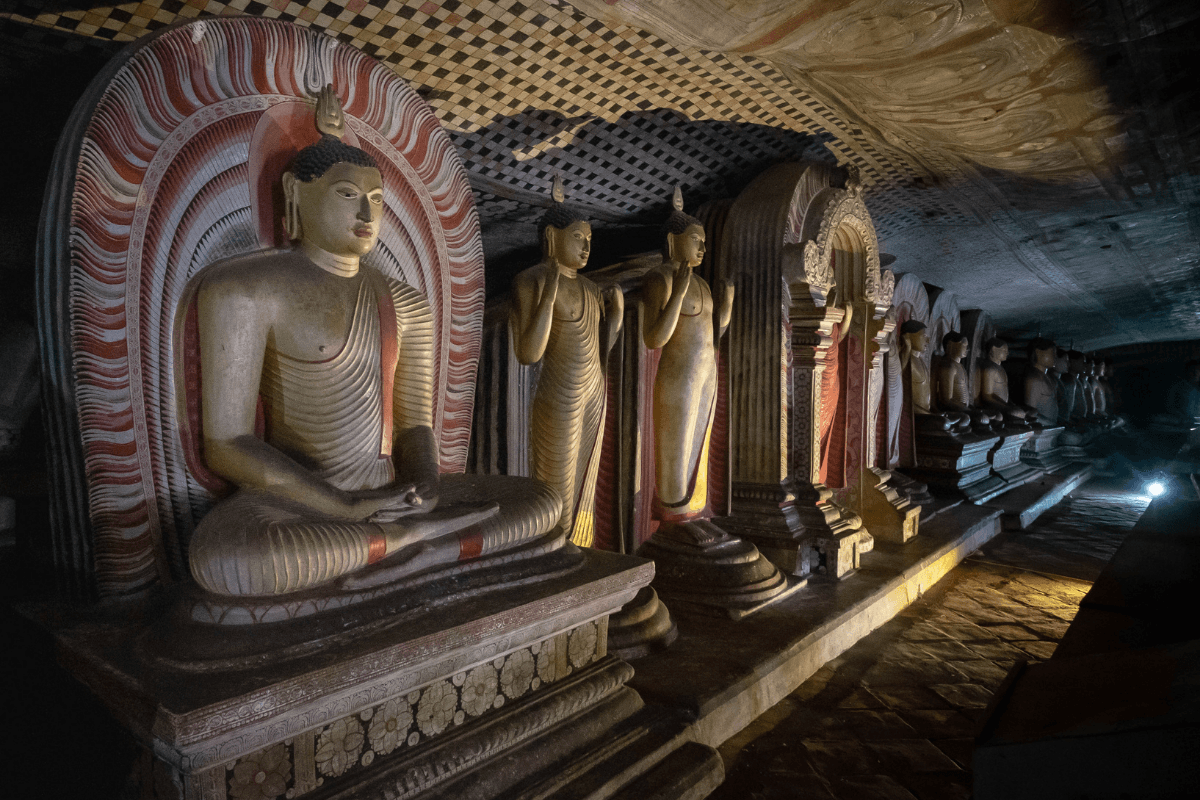
March can be a strong month for a classic Sri Lanka adventure route. Many travelers can still combine Kitulgala's white water, the temple spires of Kandy, the cool air of the tea country, a morning in a wildlife park, and a south or west coast beach finish before the heat and crowds of peak season fully fade. The weather across the west, south, and central regions is often excellent — dry, bright, and warm without the intensity of April and May — and the island has enough capacity that a private route can still feel uncrowded if it is planned intelligently.
The planning challenge in March is not weather but logistics. Late-February and March demand for quality accommodation, skilled drivers, experienced activity guides, and good safari lodges remains high from the peak winter season, and good options close faster than travelers expect. A March adventure route should protect the practical skeleton — first and last nights, driver, Kitulgala guide, safari if included — before spending time on optional extras. A clean skeleton feels more premium than a crowded wish list.
Pacing matters in March in a way it does not always in cooler months. Lower elevations and cultural sites — Sigiriya, Polonnaruwa, Dambulla — can feel warm by mid-morning, and an itinerary that stacks three cultural stops in a single day will exhaust a group that could have been energized by one site done well. The best March routes are not necessarily the ones that visit the most places; they are the ones that time each experience around the heat of the day and leave space for the trip to breathe.
Use March for classic route flow
A March route works well when it follows a logical island arc rather than backtracking or overcrowding the map. A common and effective structure: arrive in Colombo or Negombo, transfer to Kitulgala for the adventure anchor, move toward Kandy for temples and botanical gardens, continue through Nuwara Eliya or Ella for tea-country scenery, add a wildlife section at Udawalawe or Yala, then finish at a south or west coast beach before the return flight. That arc covers the major Sri Lanka experiences, avoids unnecessary doubling-back, and gives each section enough time to be enjoyed rather than rushed. The exact sequence should follow flight timing, group energy, and whether the beach section works better as a start (before the adventure intensity) or a finish (after the active days).
Place Kitulgala before the coast
Kitulgala works best in a March route when it sits before the coast rather than after. On the coast, the group has already shifted into beach mode — slower mornings, later nights, a drop in adventure appetite. Placed earlier, Kitulgala's white water sets the active tone for the trip and gives the route its adventure identity before the rhythm changes. Rafting and canyoning suitability should still be confirmed locally around recent rainfall, river level, water confidence, age range, and guide availability. March river conditions in Kitulgala are often reliable — the dry season typically keeps the Kelani at a manageable level — but local checks always trump calendar assumptions.
Plan warmer days with one main activity
March temperatures in Sri Lanka's lowlands and cultural triangle regularly reach 30–34°C by midday, and this affects how cultural days should be structured. Sigiriya's 1,200-step climb is far more comfortable between 7 and 9am than at noon. Polonnaruwa's ancient city spreads over a large area best explored by bicycle before the heat peaks. Dambulla's cave complex sits at a slightly higher elevation and is manageable in the morning. A March itinerary that starts each cultural day by 7am, reaches the main experience by 8:30, finishes by 10:30, and uses the midday hours for a transfer or pool break will feel much better than one that arrives at the site at 11am with four hours left before the next hotel.
Choose the coast by flights and style
March suits the south and west coasts well: the sea is generally calm, surf is present on the south coast for learners and intermediates, and the range of accommodation from budget guesthouses to boutique villas is at its best. Weligama suits beginner surf, gentle snorkelling, and a lively food scene. Mirissa suits whale watching (blue whales are present off the south coast through March, subject to seas), a quieter beach atmosphere, and small boutique stays. Hiriketiya suits surfers and a younger crowd. Galle gives a beach trip a cultural dimension through the Dutch fort and excellent restaurants. Negombo and Bentota suit travelers whose departure flight from Colombo airport makes the north-south transfer on the final day impractical.
Book the critical pieces before the optional ones
In March, the critical pieces are: first-night accommodation near the airport or Colombo, the Kitulgala activity guide and any permit requirements, safari lodges within or near Udawalawe or Yala if wildlife is included, the final beach base especially if it is a boutique property with limited rooms, and the driver for cross-island transfers. These pieces should be confirmed before spending time on restaurant research, optional cultural stops, or day-trip additions. Once the skeleton is solid, optional extras slot in easily. A March trip that has confirmed its driver, Kitulgala guide, safari lodge, and last-night beach stay can absorb spontaneous changes to the middle days without any anxiety.
Whale watching in March: worth including
March is one of the better months for blue whale and sperm whale encounters off the south coast near Mirissa. Boats operate from Mirissa harbour on half-day morning departures, and encounter rates for blue whales — the largest animals on earth — are genuinely high in this window. Adding a morning whale watch to a south-coast beach section requires only a comfortable beach hotel nearby and an early start, and it gives the trip an extraordinary wildlife moment that most travelers do not expect in Sri Lanka. Sea conditions can affect departures, so a flexible half-day slot with a backup beach morning is the right approach rather than building the trip around a single guaranteed departure.
Tea country and Ella in March
The hill country in March benefits from clear morning views and the gradual warming of the lower wet-season greenery. Ella's walking options — the nine-arch bridge path, the Little Adam's Peak ridge (moderate fitness), Ella Rock (more demanding) — are best in early morning when visibility is sharpest and the temperature is cooler. Nuwara Eliya, at 1,868 metres, offers a genuine temperature contrast to the lowland heat and suits an overnight stay that lets the route breathe. The hill train from Kandy to Ella or Nanu Oya runs through some of the most photographed railway scenery in Asia and can replace a road transfer entirely for this section, which reduces driver fatigue and adds a beautiful travel experience.
Safari options for March routes
Both Yala and Udawalawe can be included in a March route. Udawalawe is the easier add: it sits on the road between Ella and the south coast, its elephant encounter rate is among the highest of any park in Asia, and morning and afternoon safaris typically run two to three hours. Yala is more famous for leopards and has a broader wildlife range, but it can be busier in March due to peak-season demand, and some sections close periodically for conservation management. A March safari should be confirmed with a good lodge early — Yala lodges particularly fill quickly in this window — and the morning departure time should be treated as fixed since the best sightings happen in the first two hours after dawn.
Planning FAQs
Is March a good month for Sri Lanka adventure travel?
Yes, March is one of the stronger months for a classic Sri Lanka route covering Kitulgala, cultural sites, tea country, wildlife, and a south or west coast beach. The main planning considerations are warmer midday temperatures at lower elevations, high demand for quality accommodation and guides, and the importance of protecting the route skeleton early before optional extras.
Can I go rafting in Kitulgala in March?
Yes, March is generally a reliable month for Kitulgala rafting. Dry-season river levels are typically comfortable for grade-two-to-three rafting with experienced guides. Canyoning suitability should still be confirmed locally around recent conditions, group water confidence, footwear, and guide availability. Final activity decisions should always follow local assessment rather than calendar assumptions.
Which coast is best in March?
The south and west coasts are generally excellent in March. Weligama suits surf learners and a social beach atmosphere. Mirissa suits whale watching, quieter beaches, and boutique stays. Hiriketiya suits more experienced surfers. Galle suits travelers who want a cultural beach finish. Negombo or Bentota suit travelers whose return flight makes a north-side finish more logical.
Is Yala or Udawalawe better in March?
Both work well. Udawalawe is easier to slot into a route and delivers consistently high elephant encounter rates. Yala has more species diversity and better leopard probability, but requires earlier booking in March due to peak-season demand. The choice depends on route logic, budget, and whether the primary wildlife goal is elephants, leopards, or broad biodiversity.
What details should I send for a March route?
Send exact dates, flight times, trip length, group size, activity interests ranked by priority, water confidence, walking comfort, accommodation style preference, beach style, budget range, and whether whale watching, safari, or specific cultural sites are must-includes versus optional.
Is the tea country train journey worth doing in March?
Yes. The Kandy to Ella train journey is one of the most scenic rail experiences in Asia and suits March well — clear mornings, vibrant green landscape, cooler highland air. Book seats in advance (observation carriage or second class) and travel in the morning direction for the best light. Allow six to seven hours for the full journey rather than rushing it as a quick transit.