
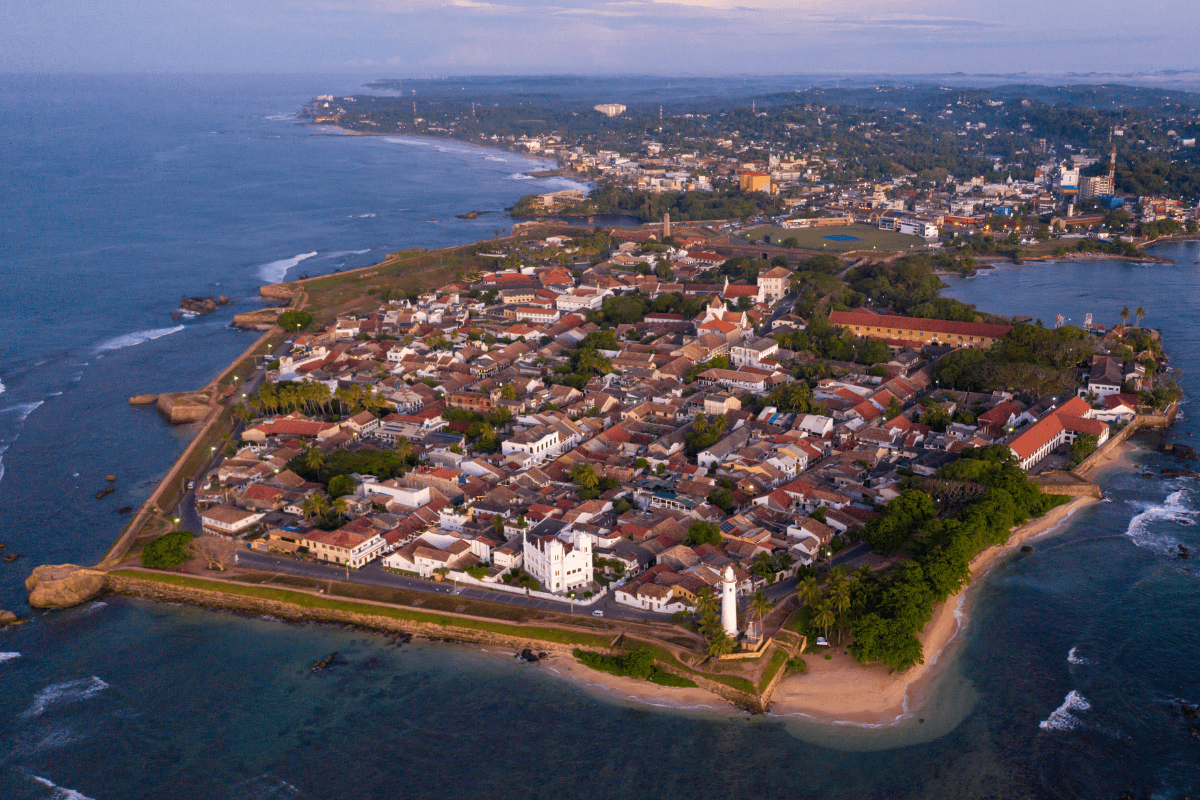
A first-hand account of contracting dengue fever mid-trip in Sri Lanka — from the first vague symptoms near Kitulgala through a clinic visit, confirmed diagnosis, and full recovery. This guide walks you through exactly what dengue feels like day by day, what Sri Lankan private medical care is actually like, and the specific prevention habits that would have stopped it from happening in the first place.
The Day I Thought I Had a Bad Cold
The narrator begins feeling unwell on day six of a two-week trip between Kitulgala and Ella — a dull ache behind the eyes and heavy legs initially blamed on white-water rafting. By morning, a 38.7°C fever and severe headache behind the eyes had arrived, along with deep joint pain. The likely cause, only identified in retrospect, was sitting on an open veranda at dusk without insect repellent — the peak activity window for Aedes mosquitoes. The account is a reminder that dengue exposure can happen during the most ordinary, beautiful moments of a Sri Lanka trip, from a single unguarded bite.
What Dengue Actually Is (The Short Version)
Dengue is a viral infection spread by the Aedes aegypti mosquito, a daytime biter most active around dawn and dusk that breeds in standing water near human settlements. Unlike malaria mosquitoes, Aedes are urban insects — which is why dengue is more common in Sri Lanka's towns and mid-country than in deep jungle. As of 2026, there is no widely available vaccine for travelers and no antiviral treatment. Management is symptomatic: rest, hydration, and monitoring. The main clinical risk in severe cases is a drop in platelet count, making early diagnosis and follow-up blood tests important. Most healthy travelers who contract dengue manage it without hospitalization.
Day by Day: What It Actually Felt Like
Day one brought mild headache and fatigue easy to dismiss; by day two the fever had climbed to 39.4°C with severe pain behind the eyes and grinding joint pain. Day three was the worst: fever peaked at 40.1°C, a rash appeared across the torso and backs of the hands, and sensitivity to light and sound set in alongside nausea and complete loss of appetite. After a confirmed diagnosis on day four the fever began to ease slightly. Days five through seven brought slow improvement — fever dropping, joint pain shifting from sharp to dull — but a profound cellular exhaustion lingered. By day ten the narrator felt almost functional; by day fourteen, genuinely recovered. A gentle rainforest hike on day sixteen marked the return to activity.
Going to a Sri Lankan Clinic: What Actually Happened
The clinic experience was more straightforward than feared. A doctor at a private clinic in the nearest town ordered an NS1 antigen blood test immediately; results came back positive within two hours. Advice was clear: paracetamol only (ibuprofen and aspirin are contraindicated in dengue because they affect platelet function), oral rehydration salts, rest, and a follow-up blood test in 48 hours to monitor platelets. The doctor outlined warning signs requiring hospitalization — severe abdominal pain, bleeding from gums or nose, persistent vomiting, breathing difficulty. None of these occurred. Platelets dipped but never reached dangerous levels. Total cost for two visits and two blood tests was modest and easily covered by travel insurance.
What I Wish I'd Done Differently
Four avoidable mistakes contributed to the infection. First, skipping repellent during a brief twenty-minute outdoor moment at dusk — Aedes mosquitoes are fast and quiet and don't respect short windows. Second, not checking whether accommodation had window screens; the guesthouse was beautiful with open windows and no screens, and the mosquito net provided was never used. Third, wearing short sleeves every evening instead of lightweight long-sleeve shirts and trousers, which provide the best mechanical protection and are also practical for temple visits. Fourth, not carrying paracetamol — having to search three guesthouses for it at 11 p.m. on day two is genuinely miserable and entirely preventable with a basic travel medical kit.
Peak Seasons and Risk by Region
Dengue risk in Sri Lanka is year-round but spikes after monsoon rains when standing water breeds mosquito populations. Elevated risk periods are October to January (northeast monsoon) and May to July (southwest monsoon), affecting different parts of the island. The highest reported case clusters are in and around Colombo, Gampaha, Kandy, and other mid-country urban areas, where Aedes mosquitoes thrive near human settlements. The wet zone around Kitulgala sees higher mosquito activity than the dry north. Dry zone areas like Yala and Arugam Bay carry lower dengue risk but are not zero — travelers on safari should still apply repellent at dawn, which is both the prime game-viewing hour and the prime biting hour.
When to Worry vs. When to Wait
Most dengue cases in healthy adults are manageable without hospitalization. Warning signs of severe dengue requiring immediate hospital attention — not just a clinic — include severe abdominal pain or persistent vomiting, bleeding from gums, nose, or in urine and stools, rapid or difficult breathing, and pale cold clammy skin combined with fatigue and restlessness. The critical danger window is 24–48 hours after the fever drops: this is when dengue can transition to severe dengue, and the relief of a breaking fever can be mistaken for full recovery. Travelers should keep resting and monitoring rather than resuming activity at the first sign of improvement. For children, seek medical care faster and with a lower threshold for concern.
The Prevention Checklist (Non-Negotiable)
Before leaving home: pack DEET repellent at 30–50% concentration (buy it at home — availability at small guesthouses is unreliable), confirm travel insurance covers dengue and hospitalization, and review your vaccination status for other diseases even though dengue has no traveler vaccine. Every day in the field: apply repellent to all exposed skin before going outside and reapply every 3–4 hours and after swimming; wear long sleeves and trousers at dawn and dusk; sleep under a mosquito net or in screened accommodation; run the fan since mosquitoes are weak fliers; remove standing water from your immediate environment. If a fever develops: get a blood test rather than pushing through, take paracetamol only, hydrate with oral rehydration salts, and tell someone where you are.
Planning FAQs
Can you get dengue anywhere in Sri Lanka, or only in certain areas?
Dengue is present across Sri Lanka but concentrated in urban and semi-urban areas where Aedes mosquitoes breed in standing water. Colombo, Kandy, Gampaha, and Ratnapura districts consistently report the highest case numbers, but no region is completely dengue-free — travelers visiting Kitulgala, Ella, Galle, or Yala should all take precautions. Risk tends to peak in the weeks after heavy rains, and year-round prevention habits are more effective than trying to time a trip around risk windows.
What's the difference between dengue and a normal fever? How do I know when to go to a clinic?
The classic dengue pattern is a sudden high fever (often 39°C or above) combined with severe headache behind the eyes, deep joint and muscle pain, and fatigue disproportionate to how sick you appear; a rash may appear on days 3–5. A normal travel fever from a minor infection typically improves within 48 hours with paracetamol and rest. If your fever is high, your joints ache significantly, and you feel genuinely unwell after 48 hours rather than improving, go get a blood test — the NS1 antigen test is inexpensive and gives results within hours.
Is medical care in Sri Lanka good enough to handle dengue?
Private clinics and hospitals in Sri Lanka are generally well-equipped to diagnose and manage dengue; doctors in busy areas follow standard WHO protocols and blood testing is fast and affordable. For straightforward dengue without complications, local private care is entirely adequate, and larger private hospitals in Colombo, Kandy, and Galle can handle severe cases requiring hospitalization. Comprehensive travel insurance including medical evacuation coverage remains essential regardless of the standard of local care available.
Can I take ibuprofen for dengue fever?
No — ibuprofen and aspirin are both contraindicated in dengue because they affect platelet function and can increase the risk of bleeding, which is the primary danger in severe cases. Paracetamol (acetaminophen) is the correct choice for managing fever and pain, and standard dosages should not be exceeded. If paracetamol is not controlling an extremely high fever, seek medical attention rather than switching to a different painkiller, and always carry paracetamol in your travel kit from day one.
How long does dengue last? Will it ruin my whole trip?
The acute fever phase typically lasts 5–7 days, after which most travelers experience a week or more of fatigue even as other symptoms clear. Most healthy adults are through the worst of it in about a week, but returning to full physical activity before the two-week mark tends to set recovery back. Dengue will likely disrupt your itinerary by 7–10 days of active travel, which makes travel insurance covering trip interruption — not just medical costs — practically essential if you plan to spend any meaningful time in Sri Lanka.
Does DEET actually work, and is it safe to use every day?
DEET is the most well-studied and effective mosquito repellent available, and 30–50% concentration formulations provide robust protection for several hours; it is safe for daily use on adults and children over two months of age when applied per label instructions. Alternatives containing picaridin or IR3535 are also effective and may be less irritating to sensitive skin, though DEET remains the benchmark. Whatever repellent you choose, apply it consistently around dawn and dusk and reapply after swimming or heavy sweating — inconsistent use is what leaves gaps.