
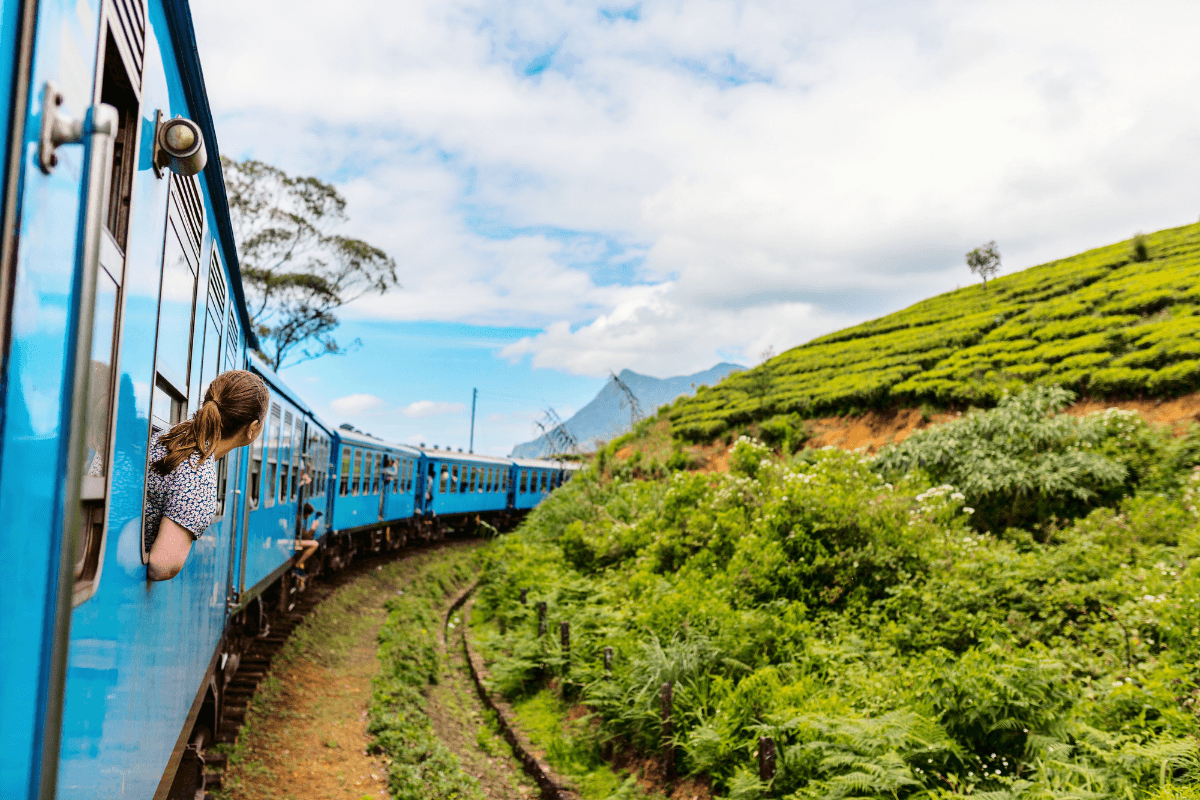
Ten days is one of the best lengths for a Sri Lanka family adventure because it creates room for genuine variety without collapsing into an exhausting drive-every-day loop. There is enough time for an adventure anchor, a cultural or hill-country section, a wildlife or wildlife-adjacent moment, and a proper beach ending — with space left over for the half-days and slow mornings that children need to enjoy the trip rather than endure it. The route just needs to be honest about what ten days actually delivers when you subtract arrival day, departure day, and internal transfers.
For most families, that means seven to eight active days across three or four bases. Kitulgala as the adventure start, one culture or hill-country stop in the middle, and two to three nights on the coast at the end is a shape that works very well for children of most ages and parents of most temperaments. Adding a safari stop is possible when the route order and the children's attention spans support it — and when it is chosen because the group genuinely wants wildlife, not because it appears on a generic family checklist.
The key is to design the route around the family — not around the destinations. Know the children's ages, swimming confidence, and walking tolerance before deciding whether to add canyoning to the Kitulgala day, whether Sigiriya is worth the hill climb in July, and whether a two-hour safari jeep ride is the right energy spend for the seventh day of a ten-day trip. Build the itinerary around those real variables and the ten days will feel abundant rather than rushed.
Days 1–2: Arrive and settle the family rhythm
The first night should be chosen around landing time, child tiredness, and the next day's transfer. Families arriving late — after an international flight via Dubai, Singapore, or Doha that lands in Colombo at one in the morning — need a soft first night near the airport rather than a three-hour drive to Kitulgala in the dark. Most international families benefit from a night in Negombo or near the airport strip, a good breakfast the next morning, and a daytime drive toward Kitulgala through a route that starts to show the country without requiring energy nobody has yet. Families with earlier arrival times can be more aggressive — a lunchtime arrival can realistically settle in Kitulgala by evening if the child ages, driving tolerance, and energy are right.
Days 3–4: Use Kitulgala as the adventure anchor
Kitulgala gives the trip its clearest family adventure memory. Two nights here allows a full activity day without the pressure of rushing in and out for a single afternoon. The activity mix should be shaped around the children's ages, water confidence, swimming ability, guide advice, and the weather: white water rafting is the headline for most families with confident swimmers aged roughly seven and above; canyoning is available for older, bolder children and active parents; rainforest walks, river viewpoints, village pauses, and softer river time give the day depth for everyone. Two nights at a riverside property — with the sound of the Kelani River outside the window and early morning birds in the forest — already makes the trip feel different from any city-based holiday.
Days 5–6: Add culture or hill country carefully
After the active start, the route needs a change of gear. Kandy is the most practical cultural stop between Kitulgala and the rest of the island — the Temple of the Tooth, Kandy Lake, the Peradeniya Botanical Gardens, and the evening cultural show give families a full cultural day without requiring long drives. For families who want scenery over temples, the hill country above Kandy — winding toward Nuwara Eliya through tea estates and waterfall viewpoints — offers a different Sri Lanka from the heat of the lowlands. Children often respond well to tea country because of the visual interest of the landscapes, the coolness of the air, and the novelty of seeing how their breakfast cup of tea is actually made.
Days 7–8: Choose safari or move toward the coast
This is where the ten-day route usually faces its most consequential choice. Udawalawe National Park suits families who want elephants — it is one of Sri Lanka's most reliable parks for elephant sightings, the jeep ride is manageable for most ages, and the park itself connects logically to the south coast afterward. Yala suits families who want a bigger, more dramatic safari feel and are prepared for longer jeep times. Other families should simply move toward the coast at this point — if safari adds a long transfer day and a very early jeep start on day eight of a ten-day trip, the coast itself may be the better choice for children who have already had a full week of activity.
Days 9–10: Finish with a calm coast and airport plan
A family route should finish somewhere that makes the final flight manageable, not harder. Two nights on the south or west coast provides one full beach day and one relaxed departure morning. For south coast endings — Weligama, Mirissa, or a nearby base — plan the final transfer to the airport with generous time: the drive to Colombo from the south can take two-and-a-half to four hours depending on traffic. West coast endings near Negombo or Bentota are simpler for the airport return. Whichever coast the route ends on, the final beach days should be unscheduled enough that children can swim, play, and rest without another morning itinerary.
Rooming, pacing, and the family checklist
A ten-day family route works best when the practical checklist matches the emotional ambition. Family rooms, interconnecting configurations, or appropriate suites should be confirmed at every property before the route is finalised — not after. The best Kitulgala riverside properties, boutique hill-country stays, safari lodges, and south coast beach hotels all have a limited number of family-suitable rooms, and they sell ahead of the standard doubles during school holiday windows. Equally important is the daily pacing philosophy: a ten-day family route should plan for one main activity per day and treat the rest of the day as unscheduled. Children who are given two hours at a pool before dinner are far more engaged at the dinner table than children who have been moved from activity to activity until the light fails. Build the family rhythm into the route planning, not just the destination list.
Planning FAQs
Is 10 days enough for a Sri Lanka family adventure?
Yes, ten days works very well if the route is focused. A strong ten-day family itinerary usually includes two nights near Kitulgala for the adventure anchor, one to two nights for culture or hill country, an optional safari stop, and two to three nights on the coast. Subtracting arrival and departure logistics, that gives seven to eight active days — enough for excellent variety without over-scheduling.
Can a 10-day family itinerary include rafting?
Yes. Kitulgala rafting is one of the best family activity anchors in Sri Lanka for children with reasonable water confidence. The guide team can assess suitability on the day based on river conditions, child ages, swimming ability, and family energy. Two nights at Kitulgala gives the flexibility to make the activity decision based on real conditions rather than booking pressure.
Should families include safari in a 10-day route?
Safari can fit beautifully in a ten-day family route when the children are genuinely interested and the transfer logic is smooth — for example, moving from hill country toward Udawalawe and then directly to the south coast. Families where children are too young for jeep rides or safari conditions should prioritise beach time over wildlife parks on shorter routes.
What should I send for a 10-day family itinerary?
Send your travel dates, flight arrival and departure times, group size, child ages, rooming needs, swimming and water confidence, comfort level, budget range, must-do activities, and whether culture, safari, hill country, Kitulgala, or beach time is the priority. Email info@xclusiveadventures.com or WhatsApp +94714646865 or +94776650857.